Picture this: it’s a bitter January night in Akron and your heating system decides to take a vacation. The house drops a few degrees, the thermostat spins wild, and you’re left shivering while the bill climbs faster than a snowdrift.
That nightmare doesn’t have to be your reality. A solid, step‑by‑step maintenance routine can keep your furnace humming, your AC breathing easy, and your wallet breathing a sigh of relief all year long.
Ready to lock down the exact tasks you need to tackle before the next season hits? Let’s dive into the checklist that will keep your home comfortable and your system running like a champ.
Seasonal Inspection Schedule: What to Check Each Quarter
In Akron’s four‑season roller coaster, a predictable inspection rhythm is your best insurance policy. By breaking the year into quarters, you catch wear before it turns into a costly breakdown, and you keep the system humming when the weather flips.
Winter (January – March)
- Thermostat calibration: Verify the reading matches a reliable room thermometer.
- Furnace blower motor: Listen for rattles; clean the motor housing if dust builds up.
- Inspect the heat exchanger for cracks; a visual check can prevent carbon monoxide leaks.
Spring (April – June)
- Turn off the furnace and run a full system purge to clear residual moisture.
- Check the condensate drain for clogs; a simple vinegar flush does the trick.
- Test the safety limit switch – it should trip at the manufacturer’s specified temperature.
Summer (July – September)
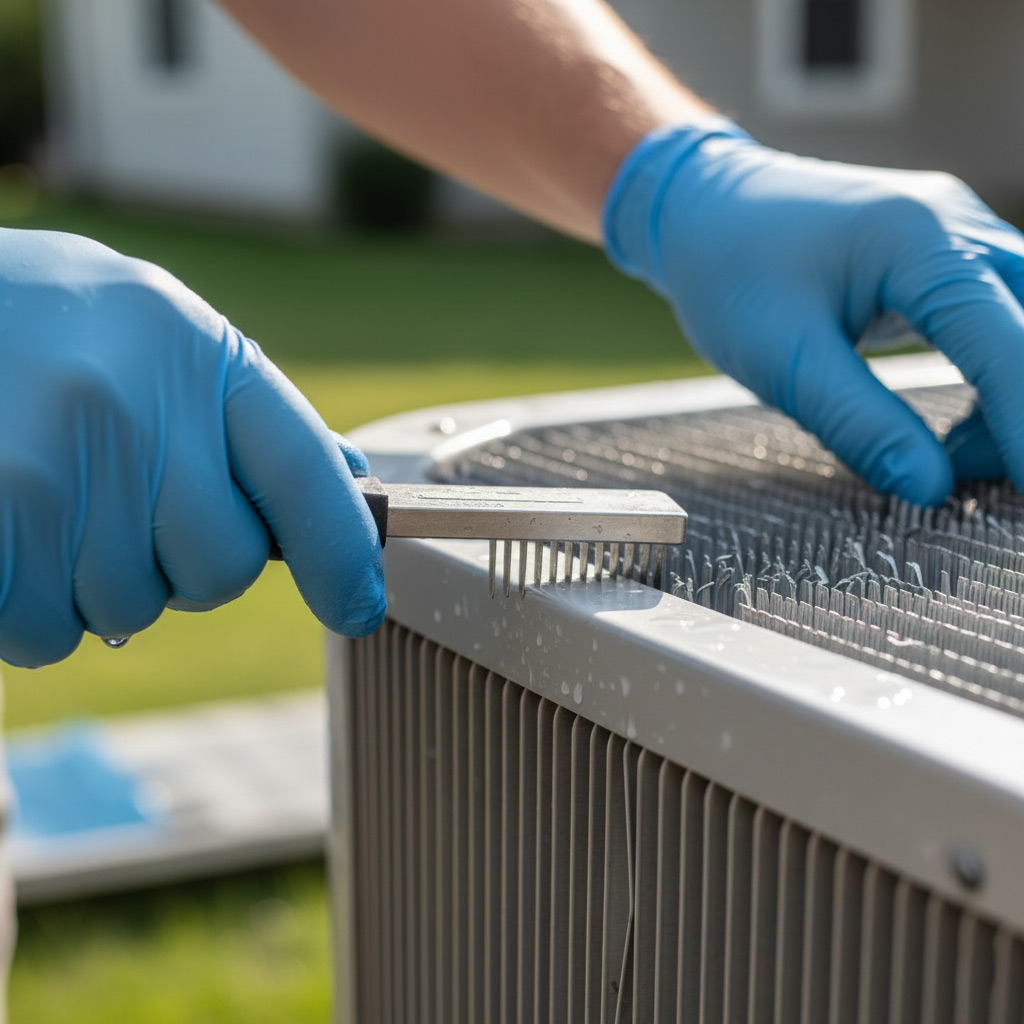
- Examine the air‑conditioner’s outdoor coil; spray a light mist of water to see if it clears quickly.
- Measure refrigerant pressure; low levels signal a leak that needs professional repair.
- Swap or clean the indoor air filter; a dirty filter forces the compressor to work harder.
Fall (October – December)
- Seal any visible duct leaks with mastic or foil tape to keep warm air from escaping.
- Run the blower on high for five minutes to distribute fresh air before the heating season.
- Schedule a professional tune‑up; a certified tech can spot hidden issues before the cold hits.
Furnace Maintenance: Cleaning, Filters, and Safety Checks
Turn Off & Inspect the Core
First thing—pull the plug. Shut off the breaker and the gas valve before you lift a single screw. Safety first means you won’t surprise yourself with a spark or a burst of flame.
Once it’s dead, open the access panel and give the blower wheel a quick once‑over. A soft brush or a vacuum with a narrow nozzle will whisk away dust that otherwise turns your furnace into a lazy hamster wheel.
- Check the ignitor for cracks; a dull tip won’t spark.
- Look for soot buildup around the burners—black spots are a red flag.
- Wipe the heat exchanger’s exterior with a damp cloth; don’t scrub, just dust it off.
Filters: The Unsung Heroes
Filters are the first line of defense against grit, pollen, and pet hair. In Akron’s winter, a clogged filter forces the furnace to work harder, spiking your bill.
Swap them out every 30‑45 days during heavy use, and stretch to 90 days when the house is idle. Pro tip: a pleated high‑MERV filter catches more particles without choking airflow.
- Mark the replacement date on your calendar.
- Inspect the frame for cracks before you install a new one.
- Never reuse a filter—once it’s gray, it’s done.
Safety Checks You Can’t Skip
Give the gas line a visual once‑over; any smell of rotten eggs means you call a pro immediately. A quick carbon‑monoxide detector test is a must—press the test button and listen for the beep.
Finally, schedule a professional heat‑exchanger inspection at least once a year. A tiny crack can turn harmless heat into a dangerous leak, and only a certified tech can spot it.
Air Conditioner Care: Coil Cleaning, Refrigerant Levels, and Efficiency Tips
Coil Cleaning Basics
When the summer heat rolls in, the evaporator coil is the heart of your AC. A thin film of dust or pollen can choke it, forcing the system to work harder.
Grab a soft brush and a garden‑hose sprayer set to low pressure. Gently scrub the fins, then rinse until the water runs clear. Do this once each spring and you’ll notice a cooler breeze and a lower electric bill.
Check the Refrigerant
Low refrigerant is the silent killer of comfort. If the coil looks frosty or the air feels weak, it’s time to call a pro.
Ask your technician to:
- Measure the pressure with a gauge.
- Inspect for leaks around connections.
- Top off the charge to the manufacturer’s spec.
Never try to add refrigerant yourself – it’s a job for a licensed specialist.
Boost Your AC’s Performance
Small tweaks can add up to big savings. Start with the thermostat: set it a few degrees higher when you’re out, and lower it just enough to stay comfortable when you’re home.
Other quick wins:
- Seal any gaps around windows and doors.
- Keep the outdoor unit free of leaves and debris.
- Replace the air filter every 30‑45 days.
Follow these steps, and your Akron home will stay cool without the sweat.
Ductwork and Ventilation: Sealing Leaks and Improving Airflow
Leaky ducts are silent money‑suckers. Every ounce of conditioned air that escapes forces your furnace or AC to work harder, and your utility bill spikes. In Akron’s swing‑season, a tight duct system can be the difference between cozy evenings and a chilly draft.
Find the Leaks
Start where the ducts meet the furnace, the air handler, and each vent. Grab a flashlight, feel for drafts, and listen for whistling sounds. Seal those gaps fast before the next temperature swing.
- Inspect all visible joints and connections.
- Apply mastic or UL‑rated foil tape – not the cheap cloth‑type tape.
- Check around recessed registers and floor grates for cracks.
Boost the Flow
Even a perfect seal won’t help if the air can’t move freely. Clean the ducts, tighten loose clamps, and make sure nothing blocks the return grilles.
- Remove dust bunnies from supply registers each season.
- Trim foliage or store items that crowd exterior vents.
- Consider adding a high‑static pressure blower for larger homes.

Smart Thermostat Setup and Calibration for Akron Climate
Akron’s weather swings like a roller‑coaster, so a smart thermostat isn’t a luxury—it’s a survival tool. Getting it right the first time means you’ll stay cozy in January and cool in July without guessing.
Initial Installation Tips
Start with a model that talks to your furnace and AC without a fight. Read the wiring diagram before you lift a screw; a wrong connection can fry the whole system.
- Turn off power at the breaker.
- Label existing wires with the tags that came with the thermostat.
- Mount the base level, then snap the display on.
- Power up and run the quick‑setup wizard.
Calibration for Seasonal Shifts
Once it’s live, teach the thermostat the local climate. Set a baseline temperature for heating and cooling, then let the device learn your habits.
- In winter, set the heating setpoint 68°F (20°C) when you’re home, 60°F (15°C) when you’re out.
- In summer, aim for 74°F (23°C) while you’re home, 78°F (26°C) when the house is empty.
- Enable “geofencing” so the unit knows when you’re away.
- Run a manual “system test” each season to verify sensor accuracy.
Real‑World Success: Case Study of a Full‑System Overhaul in an Akron Home
The Situation
When the Miller family called, their 30‑year‑old furnace sputtered, the AC leaked, and the thermostat acted like a broken record. They were paying for heat and cool that never arrived. A quick walk‑through showed clogged filters, rusted coils, and a duct maze full of leaks.
The Overhaul
Our crew tackled every weak point in a single weekend. The plan was simple: replace, clean, seal, and calibrate.
- Swapped the old furnace for a high‑efficiency 96% AFUE unit.
- Removed the failing AC, installed a new two‑stage condenser, and topped off refrigerant.
- Cleaned all evaporator and blower coils with a non‑corrosive solution.
- Sealed every duct joint with mastic and reinforced high‑traffic sections with metal tape.
- Programmed a smart thermostat, set up zone control, and ran a learning routine for Akron’s swing seasons.
The Results
Within days the Miller home felt like a sanctuary. Energy bills dropped by 28%, and the indoor temperature stayed steady from January freeze to July heat.
- Furnace ran 15% quieter.
- AC delivered consistent 22‑degree cooling without short‑cycling.
- Air quality improved; dust settled faster.
- Smart thermostat saved an extra 5% by avoiding unnecessary heating spikes.
Final Words: Keeping Your HVAC System Ready Year‑Round
Think of your HVAC like a car—you don’t wait for a breakdown to change the oil. Set a calendar reminder now, and treat each season as a service appointment. When the date rolls around, you’ll already know the steps, and the system will thank you with steady comfort and lower bills.
Quick habit checklist
- Swap filters every 30‑60 days during heavy use.
- Inspect outdoor units for debris after each storm.
- Run the fan on “auto” for 10 minutes weekly to keep coils dry.
- Log any odd noises or smells and address them before they grow.
When something feels off, don’t guess—call a local pro. A trained technician can spot a cracked heat exchanger or a low‑charge refrigerant line before it turns into a costly repair. HVAC Maintenance isn’t a luxury; it’s the insurance policy that keeps Akron families warm in January and cool in July.
People Also Ask
How often should I schedule HVAC maintenance in Akron, OH?
A full inspection should be performed quarterly—once each season—to catch weather‑related issues early. Additionally, schedule a professional tune‑up before the heating and cooling seasons begin.What are the most important furnace safety checks for Ohio homes?
Inspect the heat exchanger for cracks, test the carbon monoxide detector, and verify proper venting. Clean or replace the filter monthly and ensure the blower motor runs smoothly.How can I improve my air conditioner’s efficiency during Akron’s hot summers?
Keep the condenser coils clean and free of debris, check refrigerant levels, and set the thermostat 1‑2 °F higher when you’re away. Regularly replace filters and seal any duct leaks to reduce strain on the system.Do smart thermostats really help with energy savings in the Akron climate?
Yes—smart thermostats learn your schedule, adjust for temperature swings, and can be programmed for optimal heating and cooling setpoints. They also provide alerts for maintenance needs, helping prevent costly breakdowns.What signs indicate my ductwork needs sealing or repair?
Noticeable temperature differences between rooms, higher utility bills, and dust accumulation around vents are common clues. Sealing leaks and insulating ducts can restore airflow and improve overall system performance.
Akron HVAC brings over 20 years of heating and cooling expertise to homes and businesses throughout Akron, Ohio. Their team of certified technicians delivers reliable service and tailored solutions that keep the community comfortable year‑round.
Need HVAC?
We deliver prompt heating and cooling repairs and installations that keep homes comfortable and energy‑efficient across Akron and nearby ZIPs (44301, 44302, 44304, 44306, 44308).
Get HVAC Estimate