Ever heard that sudden, rattling thump from your furnace on a freezing Akron night and thought, “Not again”? That sound isn’t just annoying—it’s a warning sign that something’s about to go sideways, and you’re the one left holding the thermostat.
In a city where winter bites hard and summer can surprise you with humidity, a broken HVAC system isn’t just an inconvenience; it’s a billable nightmare. Knowing the exact steps to diagnose and fix the problem can save you time, money, and a whole lot of frustration.
What if you could follow a proven, step‑by‑step roadmap that turns a mystery malfunction into a quick fix? Keep reading and you’ll discover the exact checklist seasoned Akron technicians use to get every system humming again.
Common HVAC Symptoms in Akron’s Seasonal Climate
Akron’s weather swings from bone‑chilling snow to sticky summer humidity, and your HVAC system feels every beat. When the furnace sputters on a January night or the AC drips water in July, those clues are screaming for attention.
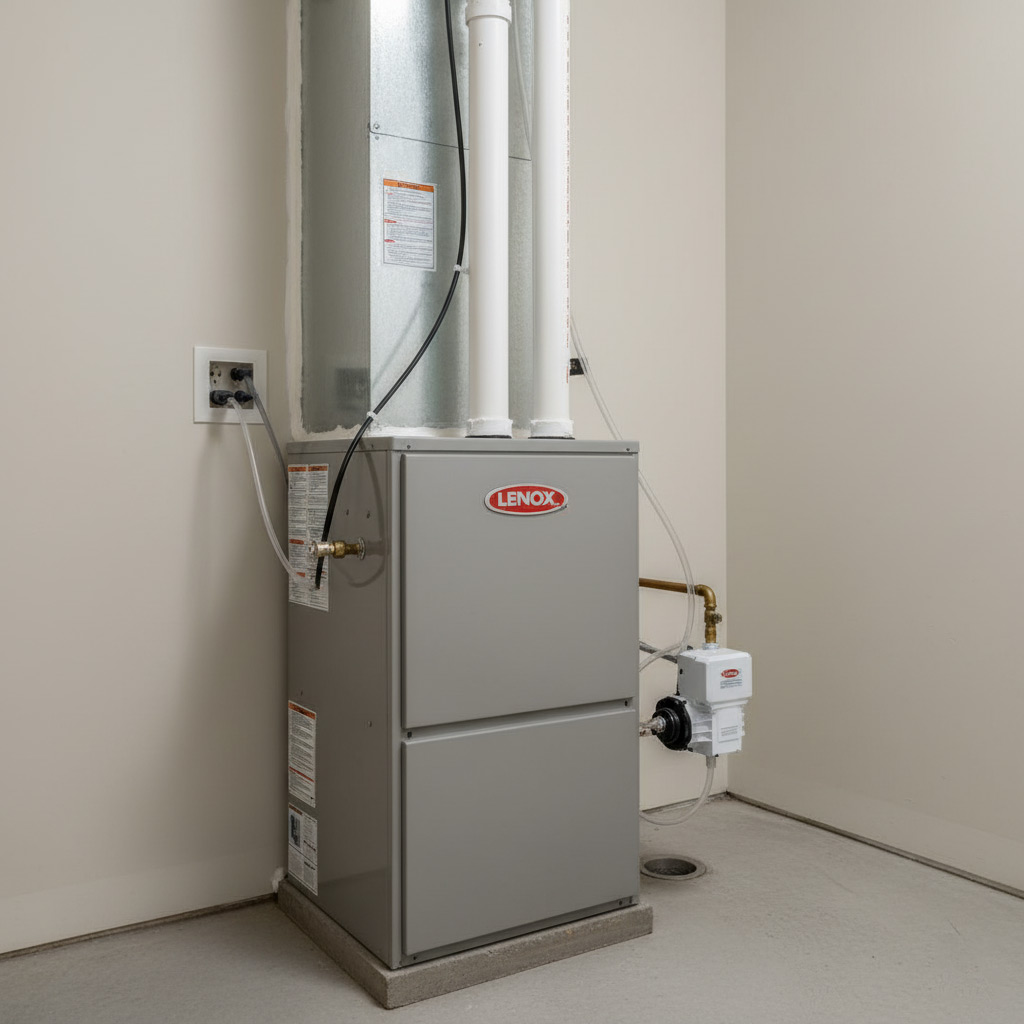
Winter warning signs
- Uneven heat – one room stays frosty while another feels like a sauna.
- Frequent cycling – the furnace turns on and off every few minutes, wasting fuel.
- Strange noises – rattles, bangs, or whistling that echo through the ducts.
Summer red flags
- Weak airflow – the blower seems to sigh instead of pushing cool air.
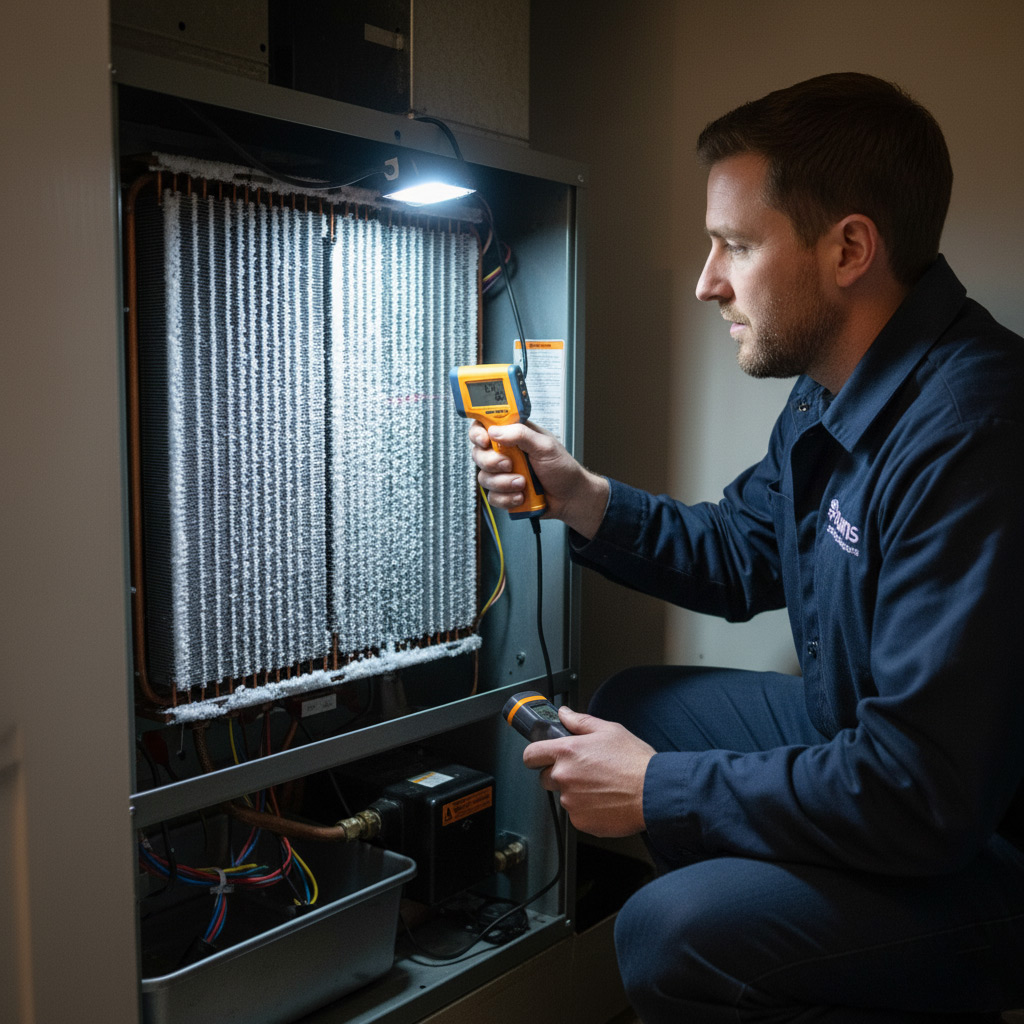
- Ice buildup on the coil – a clear sign the refrigerant cycle is stuck.
- Odd odors – musty or burning smells hint at mold or electrical issues.
Spotting these symptoms early means you can dodge a costly repair bill and keep your home comfortable all year long. The key is to match the symptom to the season and act before the problem snowballs.
Safety First: Preparing Your Home and Equipment for Troubleshooting
Power Down, Gas Shut‑Off, and Why It Matters
Before you even lift a wrench, flip the breaker for the furnace or AC and shut off the gas valve if you’re dealing with a furnace. One spark in a live circuit can turn a simple fix into a fire.
Keep a flashlight handy—most panels are in dark corners. Seeing is half the battle, and a clear view prevents you from guessing where the next problem hides.
Clear the Work Zone
Move furniture, rugs, and pets away from the unit. A cluttered space makes you trip, and a dropped tool can damage delicate components.
- Lay down a drop cloth to catch debris.
- Ventilate the area by opening a window; fresh air clears dust and any lingering fumes.
- Wear safety glasses and gloves—your eyes and hands aren’t cheap.
Check for Gas Leaks and Carbon Monoxide
Give the gas line a quick sniff test; a rotten‑egg odor means you need a professional right away. Never ignore that scent.
If you have a carbon monoxide detector, verify it’s functional. A blinking light or low‑battery beep is a red flag—replace the battery before you start.
Step‑by‑Step Diagnostic Checklist for Furnace Problems
Before you start pulling wires, give the furnace a quick visual once‑over. Look for obvious signs—dust buildup, loose panels, or a cracked heat exchanger. A clean, well‑ventilated unit is half the battle, especially when Akron’s winters push your system to the limit.
First 30 Seconds: Power & Thermostat Check
- Confirm the breaker is on and the furnace switch (usually near the unit) is set to “ON”.
- Set the thermostat to heat and raise the temperature 5 °F above the room’s current reading.
- Listen for the furnace’s ignition sequence: a soft click, a brief roar, then steady airflow.
If nothing happens, don’t panic. It could be a simple thermostat battery issue or a tripped safety switch. Replace the battery, reset the thermostat, and try again.
Second Minute: Airflow & Flame Inspection
- Check the air filter. A clogged filter chokes the blower and can cause the furnace to overheat.
- Open the service panel (after turning off power) and look for a steady, blue flame. Yellow or flickering flames signal a dirty burner.
- Feel the exhaust vent for excessive heat. Over‑hot vents often mean a blocked flue.
When the flame looks off, clean the burner with a soft brush and vacuum the surrounding area. A clean flame burns hotter and more efficiently.
Final Quick Test: Safety Switches & Error Codes
- Locate the limit switch; it should click when the furnace reaches its max temperature. If it’s stuck, the furnace will shut down.
- Many modern furnaces flash error codes on the control board. Write down the pattern and look it up in the owner’s manual.
- Reset the system by turning the breaker off for 30 seconds, then back on.
If the furnace still refuses to fire, it’s time to call a pro. Some issues—like cracked heat exchangers—require specialized tools and certification. Don’t gamble with safety.
Step‑by‑Step Diagnostic Checklist for Air‑Conditioner & Heat‑Pump Issues
Power & Thermostat Verification
First thing, make sure the unit is actually getting juice. A tripped breaker or a dead thermostat can masquerade as a broken system.
- Check the main breaker and any sub‑circuit fuses.
- Set the thermostat to “Cool” and lower the temperature 5 °F below room temp.
- Listen for the indoor fan and outdoor compressor to kick on.
Outdoor Condenser Inspection
Next, give the outdoor box a quick once‑over. Dirt, debris, or a bent fan blade will choke the airflow and cause the unit to overheat.
- Turn off power, then remove the protective grille.
- Clear leaves, grass, and spider webs from the coils.
- Spin the fan by hand; it should move freely without wobble.
Refrigerant & Coil Health Check
If the unit still won’t cool, it’s time to look at the refrigerant side. Low charge or a frozen coil is a classic sign of a leak or airflow problem.
- Inspect the evaporator coil for ice buildup; ice means a flow issue.
- Feel the suction line; it should be warm to the touch.
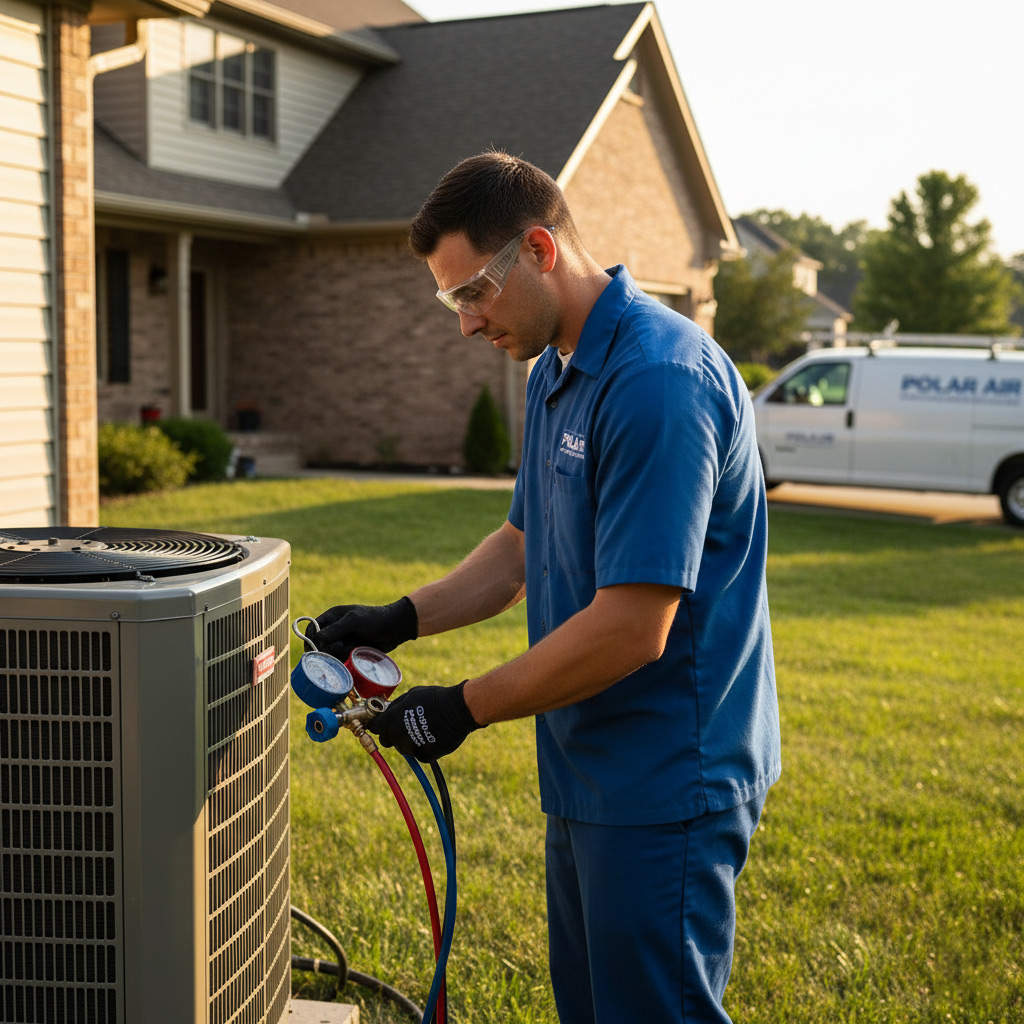
- If you suspect low refrigerant, call a licensed tech – handling refrigerant without certification is illegal.
When to Call a Professional: Red Flags That Require Expert Intervention
Even the savviest DIYer knows there’s a line between a quick fix and a costly disaster. When the problem starts to threaten your family’s safety, your equipment’s warranty, or your wallet, it’s time to hand the reins over to a certified Akron HVAC tech.
Safety‑First Signals
- Gas smells or a hissing furnace – any hint of a leak means you stop, evacuate, and call a pro.
- Repeated short‑cycling (the unit turns on and off every few minutes) – this can overheat components and spark a fire.
- Visible sparks, burnt wiring, or scorched insulation – treat it like an electrical emergency.
Performance Red Flags
- Consistently uneven temperatures across rooms despite proper thermostat settings.
- More than a 20% increase in energy bills with no change in usage patterns.
- Strange noises that persist after you’ve tightened bolts, loosened panels, or cleared debris.
When any of these signs appear, don’t gamble with a half‑hearted repair. A licensed technician has the tools, training, and insurance to diagnose hidden issues, restore efficiency, and keep your system humming through Akron’s brutal winters and sticky summers.
Case Study: Rapid Resolution of a Rattling Furnace in a Historic Akron Home
The Problem
When the Miller family heard a metallic clank echo through their 1908 Victorian on a January night, they knew the furnace was about to quit. Rattling isn’t just noise; it’s a sign that something’s loose or out of balance. The thermostat stayed at 68°F, and the house felt like a freezer.
The Diagnosis
Our tech arrived, pulled the front panel, and ran a quick visual sweep. He found three culprits in under five minutes:
- Loose blower motor mounting bolts – the motor was vibrating against the metal housing.
- Worn-out fan belt – it was slipping each time the furnace fired.
- Dust‑clogged heat exchanger – restricting airflow and amplifying the shake.
Each issue was isolated with a simple listen‑and‑feel test, then confirmed with a multimeter reading on the motor’s voltage.
The Fix
We tightened the motor mounts, replaced the belt, and gave the heat exchanger a thorough cleaning. After a short test run, the furnace sang a steady hum and the house warmed up to 72°F within minutes.
The Miller’s saved $450 in emergency repair costs and avoided a potential furnace replacement. Lesson learned: a rattling furnace in an old home is often a quick‑fix problem—if you catch it early.
Final Words
Even the toughest Akron winters won’t catch you off guard if you keep the diagnostic checklist on your fridge door. Regular maintenance is the cheapest insurance policy you can buy for your HVAC system, and a quick visual inspection each season can spot a problem before it becomes a costly repair.
Quick Reminders
- Check and replace filters every 30‑45 days.
- Listen for rattles, squeaks, or humming that isn’t normal.
- Verify thermostat settings after any power outage.
- Keep the outdoor unit clear of leaves and debris.
- Schedule a professional tune‑up before the heating or cooling season peaks.
When you’ve run through the steps and the system still refuses to cooperate, don’t gamble with a DIY fix that could void your warranty. Reach out to a certified Akron technician who knows the local climate quirks and can get you back to comfort fast. For more deep‑dive guides, swing by our HVAC Troubleshooting hub.
People Also Ask
What are the most common HVAC symptoms in Akron’s climate?
Typical signs include uneven heating or cooling, frequent short‑cycling, and unusual noises. These issues often stem from seasonal temperature swings and the region’s humidity levels.How can I safely prepare my HVAC system before troubleshooting?
Turn off power at the breaker, shut off the gas supply for furnaces, and ensure proper ventilation. Wear protective gear and keep a fire extinguisher nearby.What is the first step in diagnosing a furnace that won’t ignite?
Check the thermostat settings and verify that the furnace’s power switch is on. Then inspect the pilot light or electronic ignition for a visible flame or spark.When should I call a professional instead of DIY troubleshooting?
Call an expert if you encounter gas leaks, electrical arcing, refrigerant leaks, or persistent error codes. These red flags indicate that specialized tools and certifications are required.How was the rattling furnace issue resolved in a historic Akron home?
The technician tightened loose blower motor mounts, replaced a worn fan belt, and balanced the ductwork. The solution eliminated the noise and restored efficient heating.
Akron HVAC brings over 15 years of residential and commercial climate‑control expertise to the Akron community. Their team of certified technicians delivers reliable heating, cooling, and indoor‑air‑quality solutions tailored to local needs. Committed to responsive service, they keep homes and businesses comfortable year‑round.
Need HVAC?
We deliver prompt heating and cooling repairs and installations that keep homes comfortable and energy‑efficient across Akron and nearby ZIPs (44301, 44302, 44304, 44306, 44308).
Get HVAC Estimate