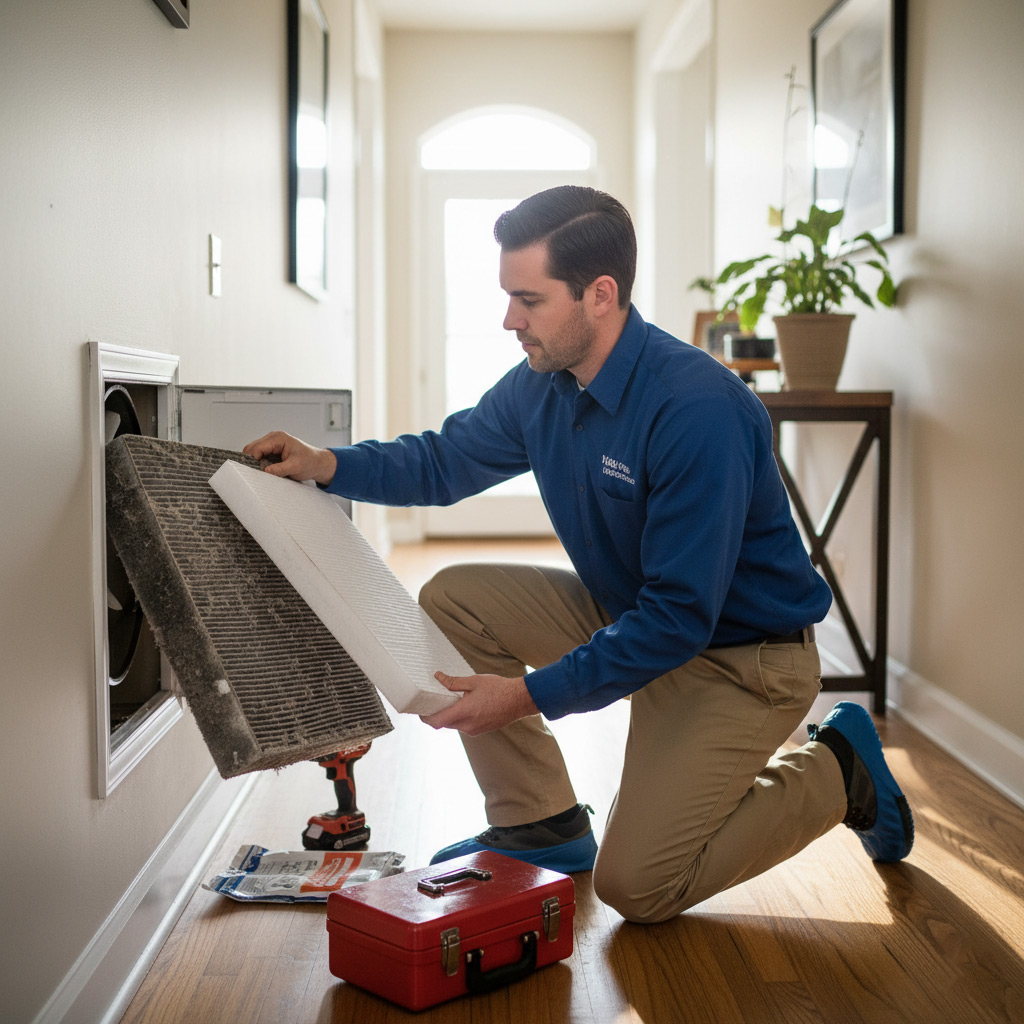
When your heat pump starts sputtering like an old diesel engine, the whole house feels the chill – and you know you need a fix, fast.
But not every “repair guy” in Akron knows how to get that system humming again without ripping your wallet open. The right tech will diagnose the problem, use the proper parts, and stand behind the work, while the wrong one leaves you with a busted unit and a bigger bill.
In the next few minutes you’ll learn the exact questions to ask, the red flags to watch for, and the simple checklist that separates the pros from the pretenders – so you can stop guessing and start heating confidently.
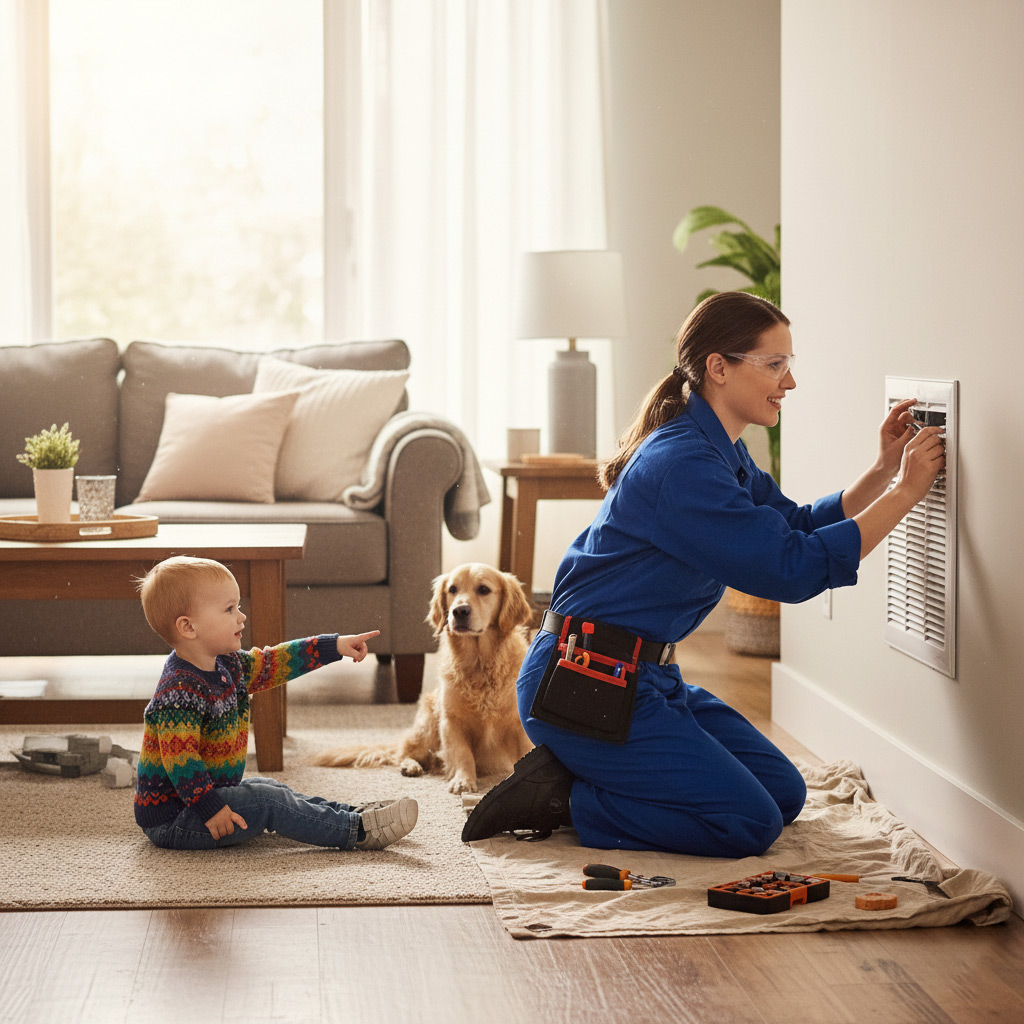
Understanding Heat Pump Basics and Common Failure Points
How a Heat Pump Works
A heat pump is essentially a refrigerator that runs backwards – it pulls heat from the outside air and pushes it inside when you need warmth, then flips the process to cool you in summer. One compressor, a refrigerant loop, and a modest thermostat are all it takes to move thousands of BTUs of energy with just a few watts of electricity.
Where Things Usually Go Wrong
Even the toughest units develop weak spots. Knowing the usual suspects saves you time and money when you call a repair pro.
- Refrigerant leaks – low pressure makes the pump gasp and lose heating power.
- Dirty or clogged air filters – restrict airflow and force the compressor to work harder.
- Worn‑out capacitors – the motor won’t start, and you hear a click but get no heat.
- Corroded coil fins – ice builds up, reducing efficiency and causing short cycles.
- Faulty thermostat wiring – the system thinks it’s at the set temperature and shuts off prematurely.
When any of these symptoms appear, the problem is usually localized and can be fixed without a full system replacement. Spotting the clue early lets a qualified tech zero in on the issue, keeping your bill in check.
Verifying Credentials: Licenses, Certifications, and Insurance Requirements
State License – Your First Filter
Every HVAC tech in Ohio must hold a valid state license. Ask to see the license number and double‑check it on the Ohio Construction Industry Licensing Board site. If the number doesn’t match, walk away.
- License number visible on the technician’s badge or company card
- Expiration date – it should be current
- Scope of work – confirms they can service heat pumps, not just furnaces
Industry Certifications – The Proof in the Pudding
Certifications show a tech has gone beyond the minimum. Look for NATE, HVAC Excellence, or the manufacturer’s own seal of approval. These credentials mean the pro knows the latest refrigerant rules and efficiency standards.
- NATE Certified – nationally recognized, rigorous testing
- HVAC Excellence – focuses on hands‑on skill
- Manufacturer‑specific (e.g., Carrier, Trane) – guarantees proper parts and warranty compliance
Insurance – The Safety Net
Even the best tech can slip up; that’s why insurance matters. A reputable contractor carries both general liability and workers’ comp, protecting you from surprise bills if something goes wrong.
- General liability – covers property damage
- Workers’ comp – covers injuries to the crew on your property
- Proof of coverage – ask for a certificate, not a verbal promise
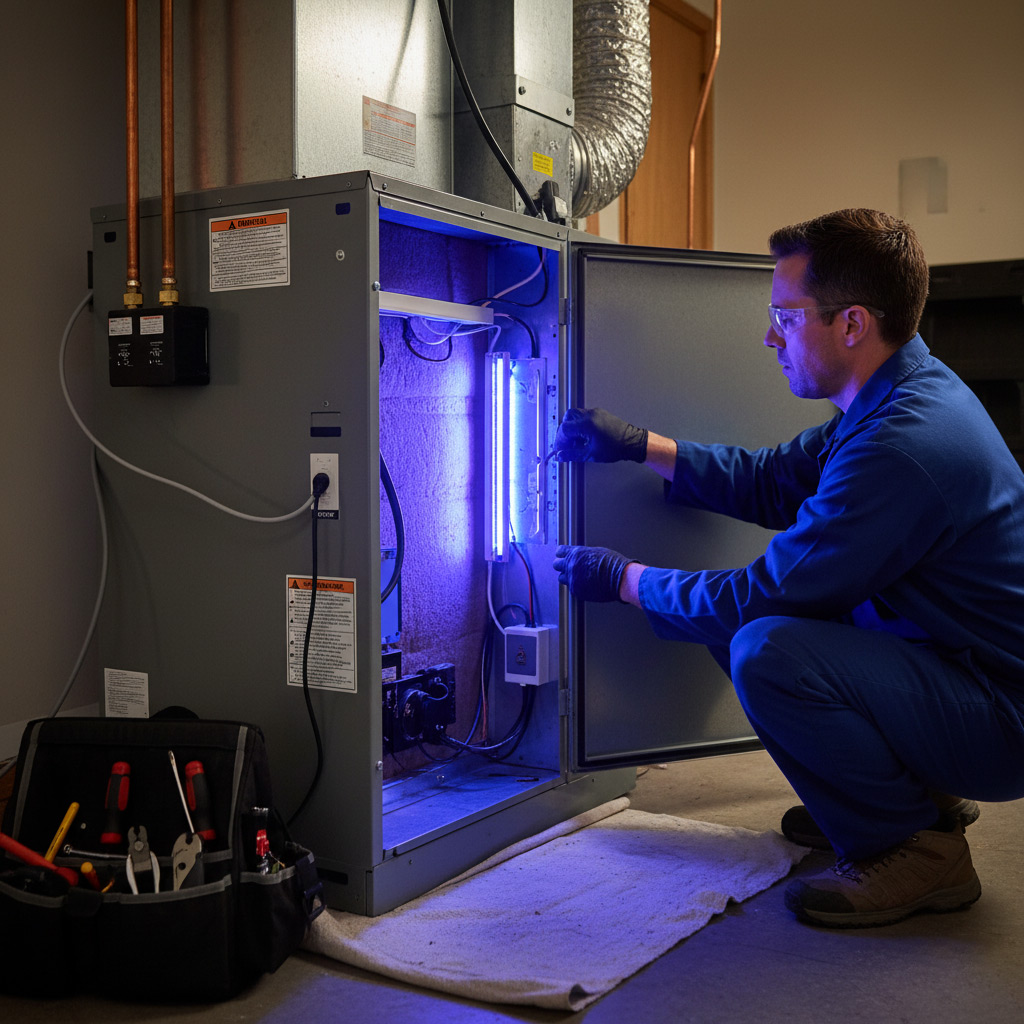
Evaluating Experience and Reputation in the Akron Market
In Akron, a tech who’s been around the block knows the quirks of local weather and the common failures of the units you see on Main Street. Look for a company that can point to at least five years of heat‑pump work *in this zip code*—not just a generic “nationwide” claim. Longevity usually means they’ve survived the seasonal grind and still have customers coming back.
What to Look For Online
- Google reviews: Count the five‑star mentions that talk about “quick diagnosis” and “fair pricing.”
- Better Business Bureau rating: A “A‑” or higher signals they settle disputes without drama.
- Social proof on Facebook or Nextdoor: Real neighbors sharing before‑and‑after photos.
Don’t just skim the numbers. Read the comments that mention the technician’s name—those are the real clues. A pattern of “friendly, explained the issue” beats a vague “good service” every time.
Ask for References
- Request two recent homeowners in Akron who had the same model repaired.
- Call them and ask: “Did the tech arrive on time? Did they use OEM parts? Was the warranty honored?”
- Take note of any hesitation—if they can’t name a single satisfied customer, walk away.
When a contractor can drop a name and a phone number without blinking, you’ve got a pro who’s proud of his work. That confidence translates into fewer callbacks and a heat pump that actually lasts through the winter.
Asking the Right Questions: Estimates, Parts, Warranties, and Service Guarantees
Get a Clear Estimate
Before any work begins, demand a written breakdown that shows labor, parts, and taxes separately. Transparency prevents surprise invoices later.
Ask these quick prompts:
- What’s the total cost before taxes?
- Will there be a diagnostic fee, and is it applied to the final bill?
- How long will the repair take from start to finish?
Parts, Warranties, and Guarantees
Not all parts are created equal. Insist on OEM (original equipment manufacturer) components unless a cheaper alternative is proven to work just as well.
Key questions to fire off:
- Does the part come with a manufacturer’s warranty?
- Do you offer a labor warranty on the repair?
- What’s the policy if the same part fails within 30 days?
Service Guarantees
A reputable tech will stand behind their work. Look for a written guarantee that covers both parts and labor.
Probe with these:
- How long is the service guarantee?
- Is there a free follow‑up visit if the issue recurs?
- What’s the process for filing a claim?
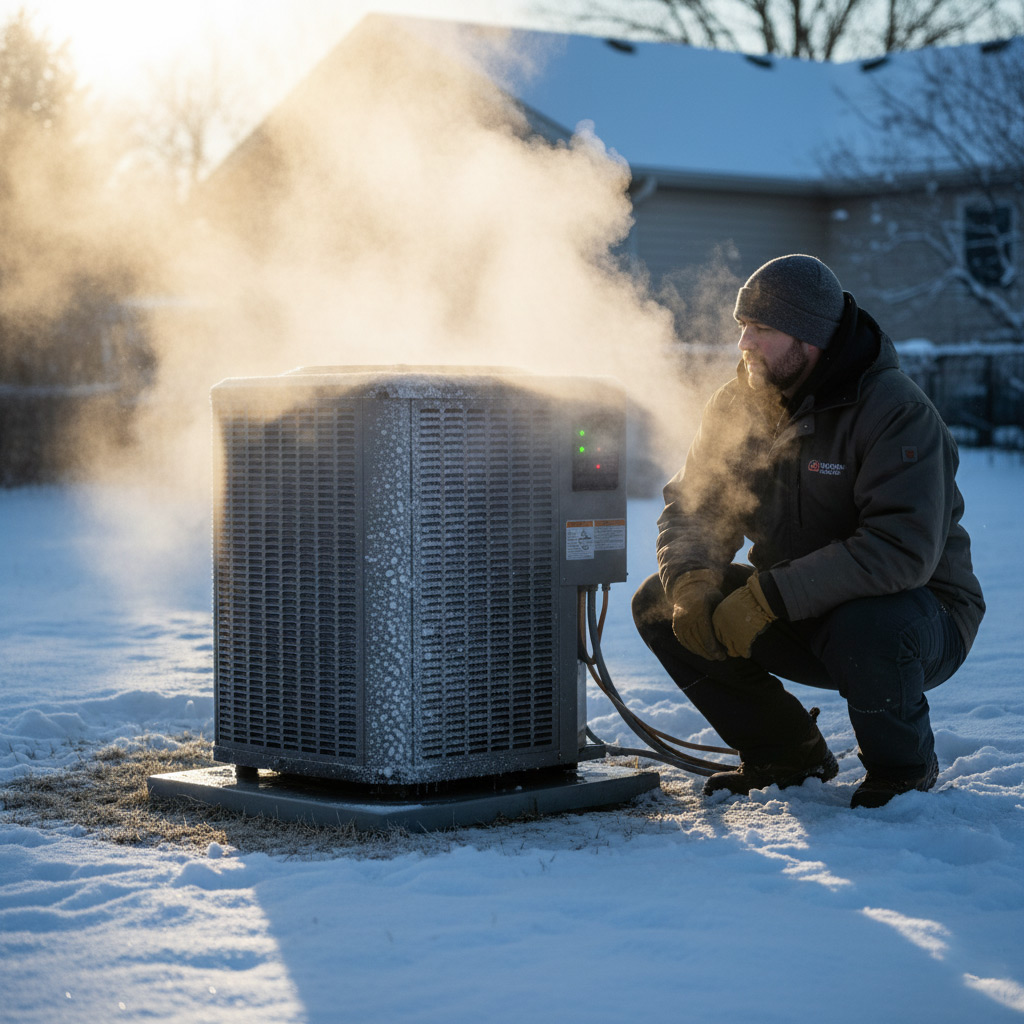
Red Flags to Watch for When Vetting a Repair Technician
When a tech shows up with a vague estimate and a hurried handshake, your gut should start ticking. Pressure to sign a contract on the spot often means they’re more interested in your money than your heat pump’s health. A reputable pro will give you time to review the paperwork and answer every question without rushing.
Common Warning Signs
- Unlicensed or “unregistered” status – If they can’t produce a current Ohio HVAC license, walk away.
- Quotes that are dramatically lower than the market average – cheap often equals cut‑corners.
- Refusal to provide a written warranty or service guarantee – you deserve protection.
- Requests for cash‑only payment – this sidesteps accountability.
- Vague explanations about the problem – a skilled tech can describe the issue in plain language.
Another red flag is a technician who insists on using “generic” parts without explaining why. Original equipment manufacturer (OEM) components are pricier, but they’re designed for your specific model and last longer. If the tech can’t justify the choice, it’s a sign they’re cutting corners to boost their profit.
Case Study: How a Local Akron HVAC Pro Restored a Family’s Heat Pump Efficiently
The Problem
When the Martins noticed their heat pump sputtering and the indoor temperature dropping, they called a “quick fix” service that quoted $1,200 for a vague “compressor issue.”
Within an hour, the unit shut down completely, leaving the family shivering on a 30‑degree night.
The Diagnosis & Solution
Acme HVAC stepped in, ran a systematic check, and pinpointed three root causes:
- Low refrigerant charge caused the coil to freeze.
- Worn fan motor bearings created abnormal vibrations.
- Outdated thermostat settings that prevented proper defrost cycles.
Instead of a blanket replacement, the tech repaired the motor, re‑charged the refrigerant, and upgraded the thermostat for $480 total.
The Result
Within 45 minutes the system was humming, and the house warmed back up to a comfortable 70°F.
The Martins saved over $700 and gained a 12‑month service guarantee that covers future parts and labor.
Final Words
Before you lock in a repair tech, take a moment to lock down your own game plan. A short, written maintenance log—date, issue, technician name—can save you headaches when warranty claims surface.
Quick Action Checklist
- Confirm the contractor’s license number on the Ohio Construction Industry Licensing Board site.
- Ask for a written estimate that breaks down labor, parts, and any markup.
- Verify that the warranty covers both parts and labor for at least a year.
- Schedule a follow‑up call within 48 hours to ensure the system runs smoothly.
Keep this list handy the next time your heat pump sputters. When you’re ready to move, head over to our Heat Pump Repair page for vetted pros who meet every checkpoint on this list.
People Also Ask
What licenses and certifications should a heat pump repair pro have in Akron?
A reputable technician must hold a valid Ohio HVAC contractor’s license and be EPA‑certified for refrigerant handling. Look for additional credentials like NATE certification, which signals advanced training.
How important is insurance when hiring a heat pump repair service?
Insurance protects you from liability if a technician is injured on your property or causes damage during repairs. Always ask for proof of both general liability and workers’ compensation coverage.
What questions should I ask to get an accurate heat pump repair estimate?
Request a detailed breakdown of labor, parts, and any service fees, and ask whether the quote includes a warranty on parts and workmanship. Clarify if there are any hidden charges for after‑hours service.
What are common red flags that indicate a heat pump repair company may be unreliable?
Beware of contractors who cannot provide a written estimate, lack proper licensing, or demand full payment upfront. Extremely low prices that seem too good to be true often signal sub‑par parts or unqualified staff.
How can I verify a heat pump repair tech’s reputation in the Akron market?
Check online reviews on Google, Yelp, and the Better Business Bureau, and ask the company for references from recent local customers. A strong track record of positive feedback and repeat business is a good indicator of reliability.

Akron HVAC has served the Akron community for over 15 years, delivering reliable heating and cooling solutions. Their team of certified technicians combines local knowledge with industry‑leading practices to keep homes comfortable year‑round. Committed to responsive service, they prioritize energy efficiency and customer satisfaction in every project.
Need HVAC?
We deliver prompt heating and cooling repairs and installations that keep homes comfortable and energy‑efficient across Akron and nearby ZIPs (44301, 44302, 44304, 44306, 44308).
Get HVAC Estimate