Picture this: your furnace coughs its last breath on a freezing January night, and the repair bill hits you harder than a snowstorm. Before you rush to the nearest dealer with a wad of cash, hit pause and let a simple list do the heavy lifting.
That checklist isn’t just a grocery list of parts; it’s a roadmap that saves you from buying the wrong size unit, overpaying for features you’ll never use, and getting tangled in local code red tape. Think of it as your secret weapon for a smart, painless swap.
Here in Akron, the climate swings fast, the utility rates are quirky, and the contractors speak a language of their own. Knowing the city‑specific quirks—like the mandatory efficiency rating and the best time of year for installation—can shave hundreds off your final invoice.
Ready to see exactly what you need to ask, check, and verify before signing any contract? Dive into the checklist below and keep your wallet warm this winter.
Assess Your Existing Furnace and Home Heating Load
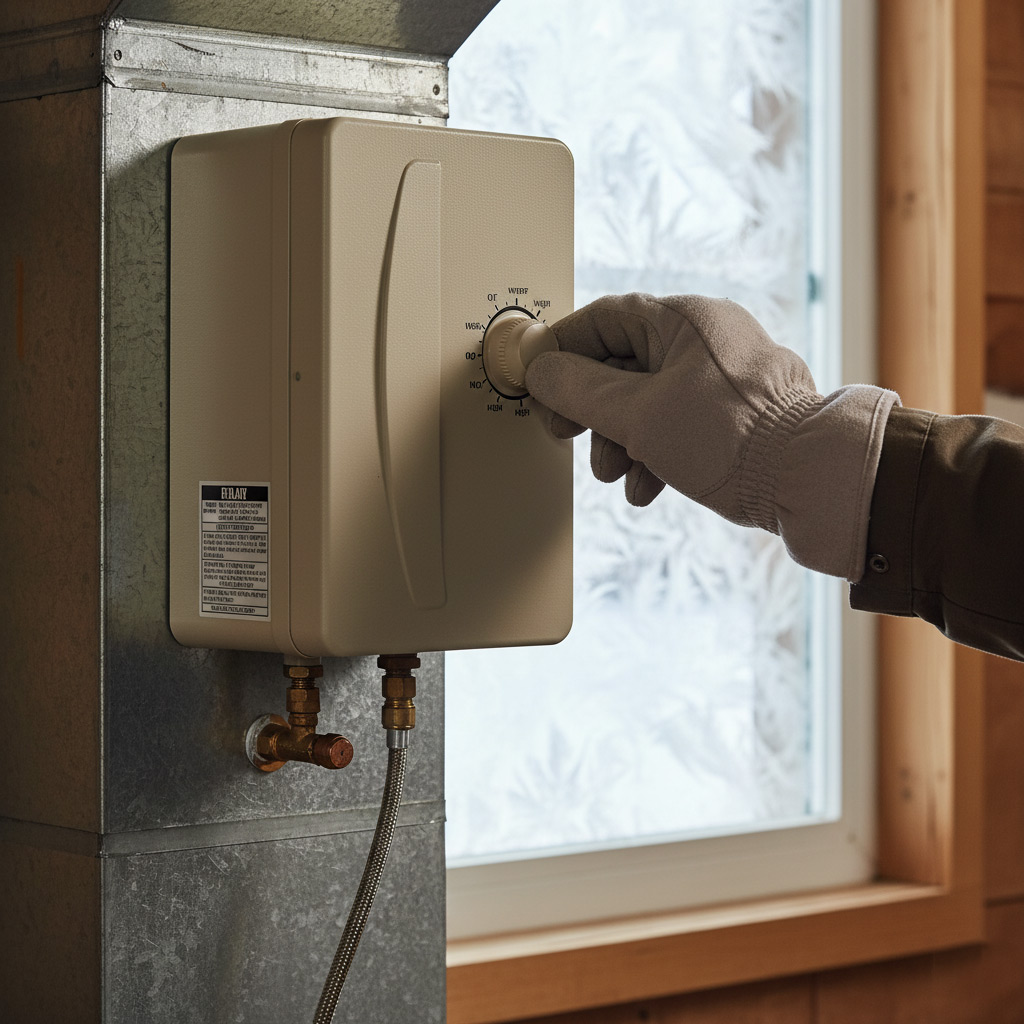
Before you even think about a new unit, you need to know what you’re dealing with now. A furnace that’s been chugging along for 15‑plus years probably isn’t delivering the heat you expect, and that hidden inefficiency can cost you more than a brand‑new model.
Take a quick inventory of your current system
- Age – Most furnaces hit their sweet spot at 10‑12 years; beyond that, parts start to wear out.
- Airflow – Check registers for uneven distribution; cold spots often signal a clogged blower.
- Fuel source – Natural gas, propane, or oil? Each has its own cost curve in Akron.
- Maintenance history – A clean filter and annual tune‑up are good signs; gaps suggest neglect.
Next, figure out how much heat your house actually needs. Grab a copy of your latest utility bill and note the peak winter usage; that’s a solid baseline. Then, walk through each room, note square footage, window count, and insulation quality. Those numbers feed directly into the load calculation that will tell you whether you’re undersized, oversized, or just right.
Calculate the Proper Furnace Size and Energy Rating for Akron
Size Matters – Don’t Guess, Compute
In Akron’s swing‑season climate, a furnace that’s too small will run nonstop, while an oversized unit will short‑cycle and waste cash. The secret is a heat‑load calculation that matches your home’s square footage, insulation level, and window count.
Hire a pro who runs a Manual J assessment, or use a reputable online tool that asks for:
- Square footage of each heated room
- Insulation R‑value (walls, attic, floors)
- Number and type of windows
- Local design temperature (Akron’s winter low)
What the Numbers Mean – BTU and Energy Rating
Once you have the total BTU demand, pick a furnace that lands within ±10 % of that figure. A 70,000‑BTU unit for a 2,000‑sq‑ft home is a classic sweet spot; anything far off will cost you.
Next, look at the furnace’s AFUE (Annual Fuel Utilization) rating – think of it as the “energy score.” In Ohio, the code now forces a minimum of 90 % for new installs, but the real money‑saver sits at 95 % or higher.
- 90 % AFUE – meets code, decent payback
- 95 % AFUE – lower fuel bills, faster ROI
- 98 % AFUE – premium price, best long‑term savings
Navigate Akron‑Specific Building Codes, Rebates, and Utility Incentives
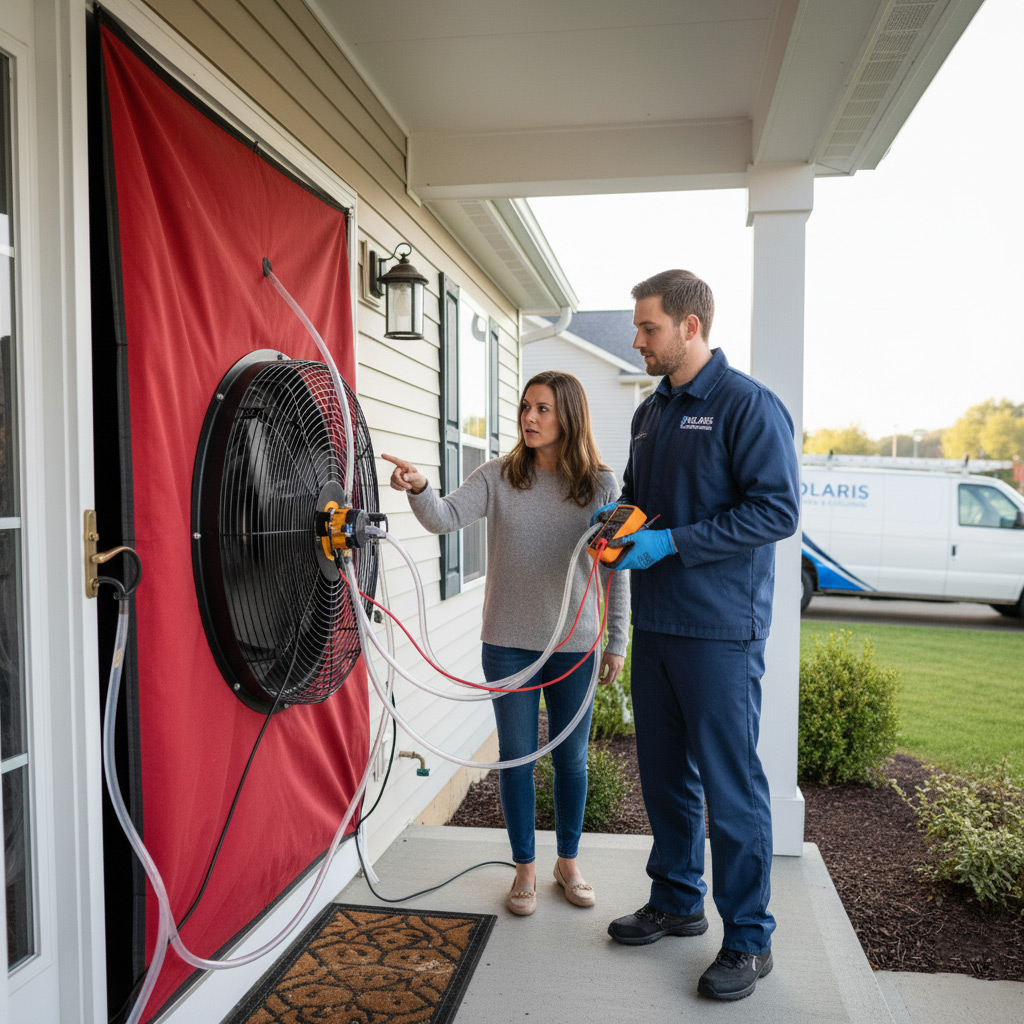
Before you sign anything, get a grip on the local rules that govern furnace swaps in Akron. The city’s codebook isn’t a mystery—it’s a checklist that keeps you from costly re‑work and fines. Know what’s required, and you’ll walk into the contractor’s office with confidence.
Local Building Code Must‑Knows
- Minimum AFUE rating: New units must hit at least 90% for residential installations.
- Clearances: Keep a 3‑foot gap from combustible materials and a 6‑inch space around the vent pipe.
- Permits: A city permit is mandatory; the inspector will verify sizing and venting before signing off.
Skipping the permit is a shortcut that ends in a stop‑work order. It’s cheaper to pay the fee up front than to redo the job later.
Cash‑Back Programs You Can’t Miss
- Akron Energy’s Winter Warm‑Up rebate: Up to $800 for qualifying high‑efficiency furnaces.
- Ohio’s Home Energy Assistance grant: Covers 30% of equipment cost for qualifying households.
- Utility co‑op “Turn‑On‑Savings” credit: $150 credit when you install a smart‑thermostat compatible unit.
These programs have tight deadlines and paperwork quirks. Call the utility office today, grab the forms, and keep copies for your contractor.
Paperwork & Timing Tips
- Schedule the permit inspection for a weekday morning; inspectors are less rushed.
- Ask the installer to provide a detailed invoice that lists model numbers, AFUE, and warranty terms.
- Submit rebate applications within 30 days of installation to lock in the credit.
When you line up the code, the cash‑back, and the paperwork, the whole process feels like a smooth ride instead of a maze. That’s the kind of edge you want before you replace that furnace.
Compare Furnace Types, Features, and Smart‑Thermostat Compatibility
Pick the Right Furnace Type for Akron
Gas furnaces still dominate the market because they heat fast and run cheap in our cold winters. Electric units are quiet and low‑maintenance, but the bill can climb when the thermostat climbs. Oil and propane models make sense if you’re on the outskirts where gas lines are scarce.
- Gas (natural) – best bang for the buck, quick recovery.
- Electric – silent, no venting, higher electricity cost.
- Oil – high heat output, needs regular tank checks.
- Propane – good for older homes without gas, price fluctuates.
- Hybrid (dual‑fuel) – switches between gas and electric for optimal savings.
Features That Matter More Than Fancy Names
Don’t be dazzled by “premium” labels; focus on what actually cuts your bill and improves comfort. A variable‑speed blower keeps air moving gently, reducing drafts and noise. Two‑stage or modulating burners keep the temperature steady, so you’re not constantly toggling the thermostat.
- Variable‑speed blower – smoother airflow, quieter operation.
- Modulating gas valve – adjusts flame in small increments.
- Two‑stage heating – runs at low power most of the time.
- Advanced filtration – captures pollen, pet dander, and dust.
- Built‑in humidity control – stops the house from feeling too dry.
Smart‑Thermostat Compatibility – Future‑Proof Your Upgrade
Today’s thermostats talk to more than just the furnace; they learn your habits and can shave dollars off the bill. Make sure the new unit has a standard 24‑V control board so it pairs with Nest, Ecobee, Honeywell Home, or any other Wi‑Fi thermostat you prefer.
- Nest – learns schedule, works with voice assistants.
- Ecobee – includes room sensors for balanced heating.
- Honeywell Home – robust app, easy DIY wiring.
- Carrier Comfort – proprietary, but integrates with most smart hubs.
- Check for “compatible with smart thermostats” label before you sign.
Vet Contractors: Licensing, Insurance, Reviews, and Warranty Details
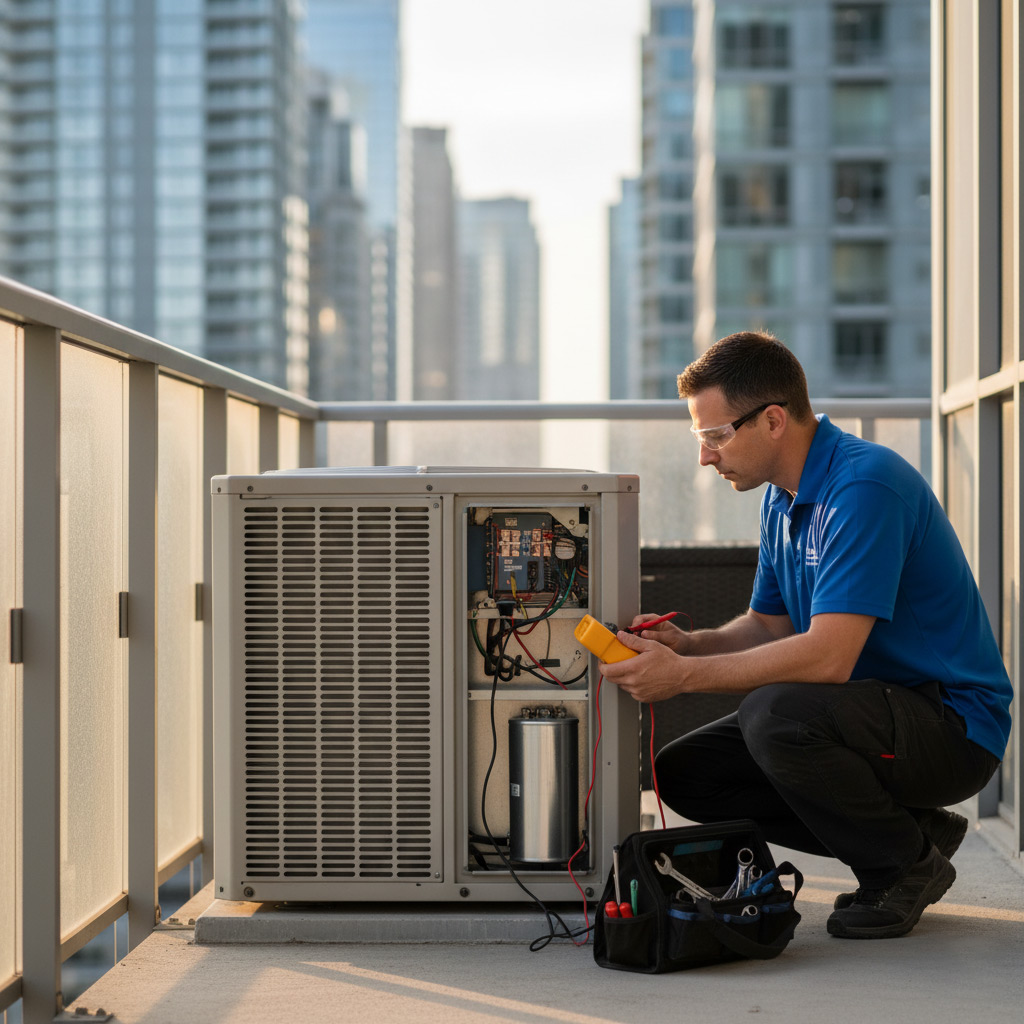
Choosing the right installer is as critical as picking the right furnace. A cheap mistake can cost you twice in repairs or a busted warranty. Follow this checklist and you’ll keep the drama out of your heating project.
License Check
Every HVAC pro in Ohio must hold a current state license. Ask to see the badge before they lift a wrench.
- Ask for the license number; verify it on the Ohio Construction Industry Licensing Board site.
- Confirm the license covers furnace replacement, not just general HVAC work.
- Check the expiration date—no expired paperwork.
Insurance & Liability
Even the best tech can slip. Proper coverage protects your home and your wallet.
- Request a copy of the contractor’s general liability insurance.
- Make sure workers’ comp is listed; you don’t want a claim on your property.
- Verify the policy is active and the limits are at least $1 million.
Reputation, Reviews, and Warranty
Word‑of‑mouth still beats glossy ads. Dig into the real experiences of Akron homeowners.
- Read recent reviews on Google, Angi, and the Better Business Bureau.
- Ask for references from at least two recent furnace swaps in the area.
- Insist on a written warranty that covers both the unit and the labor for a minimum of 10 years on parts.
- Check if the warranty is backed by the manufacturer or the installer—manufacturer‑backed is usually stronger.
Case Study: Seamless Furnace Replacement in a Historic Akron Neighborhood
The Home and the Problem
When the Miller family bought their 1908 Craftsman on Ohio & West, the original furnace was a relic—noisy, leaky, and barely keeping the living room above freezing.
They needed a unit that respected the home’s historic character *and* met today’s performance standards.
Key pain points:
- Undersized equipment causing uneven heat distribution.
- Outdated venting that violated current city code.
- High utility bills that made winter feel like a cash drain.
The Solution Blueprint
We started with a detailed load calculation, then matched a 95% AFUE, variable‑speed gas furnace to the Miller’s square footage and insulation level.
Because the house sits in a designated historic district, we coordinated with the Akron Preservation Board to secure a waiver for the new venting system—saving weeks of paperwork.
Installation day was timed for early October, when outdoor temps are mild enough to avoid weather delays.
Results That Speak for Themselves
Within the first month, the Millers saw a 30% drop in heating costs and reported consistent warmth from the basement to the attic.
They also earned a $500 utility rebate for hitting the city’s mandatory efficiency threshold.
Most importantly, the historic façade remained untouched, and the family now enjoys a cozy home without the constant worry of furnace failure.
Final Words
Now that you’ve walked the checklist, the next move is simple: lock in the numbers, sign the contract, and schedule the install before the first frost hits. Don’t let a “good enough” quote slip by—the right price is the one that matches the specs you just verified.
Quick Action Items
- Confirm the furnace’s AFUE rating meets Akron’s mandatory 90% minimum.
- Ask the installer for a written warranty that covers both parts and labor for at least 10 years.
- Schedule a post‑install inspection to verify clearance, venting, and thermostat calibration.
Remember, a solid install protects your home’s value and keeps the heating bills from spiraling. If you need a trusted pro, check out our vetted partners in the HVAC Replacement section and pick the crew that checks every box on your list.
People Also Ask
What signs indicate my furnace needs replacement in Akron?
Frequent breakdowns, uneven heating, and a rise in energy bills are common warning signs. If your furnace is over 15‑20 years old, it may also be less efficient than newer models.How do I determine the right furnace size for my Akron home?
A professional load calculation (Manual J) considers square footage, insulation, window types, and local climate. This ensures the unit is neither oversized nor undersized, maximizing comfort and efficiency.Are there local rebates or incentives for installing a high‑efficiency furnace in Akron?
Yes, Akron and the Ohio Energy Office often offer rebates for ENERGY STAR® certified furnaces. Check with your utility provider and the city’s building department for the latest programs.What should I look for when choosing a furnace contractor in Akron?
Verify the contractor’s Ohio license, insurance, and BBB rating, and ask for references from recent projects. A solid warranty and clear installation timeline are also key factors.Can a new furnace be integrated with a smart thermostat?
Most modern furnaces are compatible with smart thermostats like Nest or Ecobee. Pairing them can improve energy savings and allow remote temperature control via a smartphone.
Akron HVAC brings over 20 years of heating and cooling expertise to homes and businesses throughout Akron, Ohio. Their team of certified technicians delivers reliable service and tailored solutions that keep the community comfortable year‑round. Committed to local service, they prioritize prompt response and transparent communication with every client.
Need HVAC?
We deliver prompt heating and cooling repairs and installations that keep homes comfortable and energy‑efficient across Akron and nearby ZIPs (44301, 44302, 44304, 44306, 44308).
Get HVAC Estimate