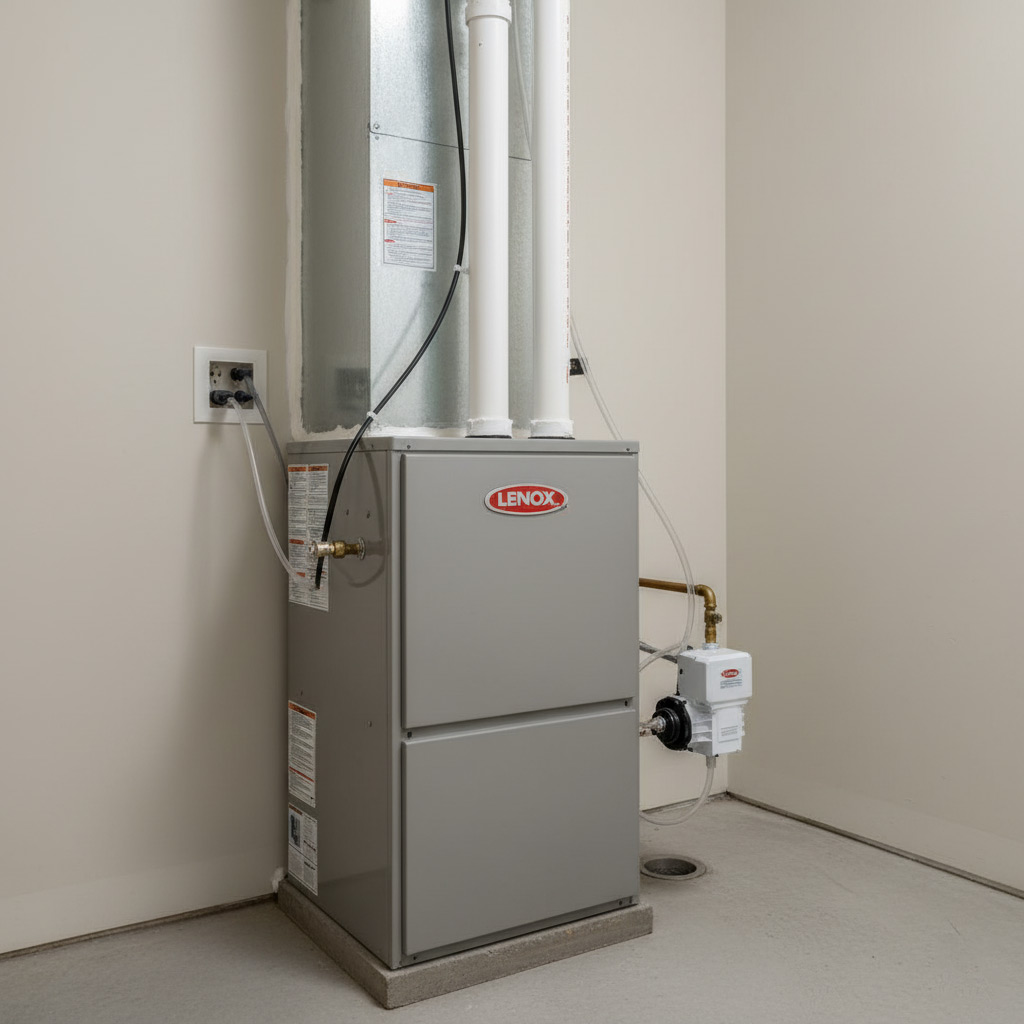
When the temperature drops below zero in Akron, a busted furnace feels like a betrayal you didn’t see coming.
Homeowners often rush into quick fixes, thinking a DIY tweak or a cheap part will keep the heat humming. The reality? Those shortcuts can turn a simple repair into a costly nightmare.
Beyond the wallet, the wrong move can jeopardize indoor air quality and even spark safety hazards. Knowing the common slip‑ups is the first step to keeping your home warm and worry‑free.
Ready to spot the pitfalls before they bite? Let’s break down the exact mistakes and how to dodge them, so you stay comfortable all winter long.
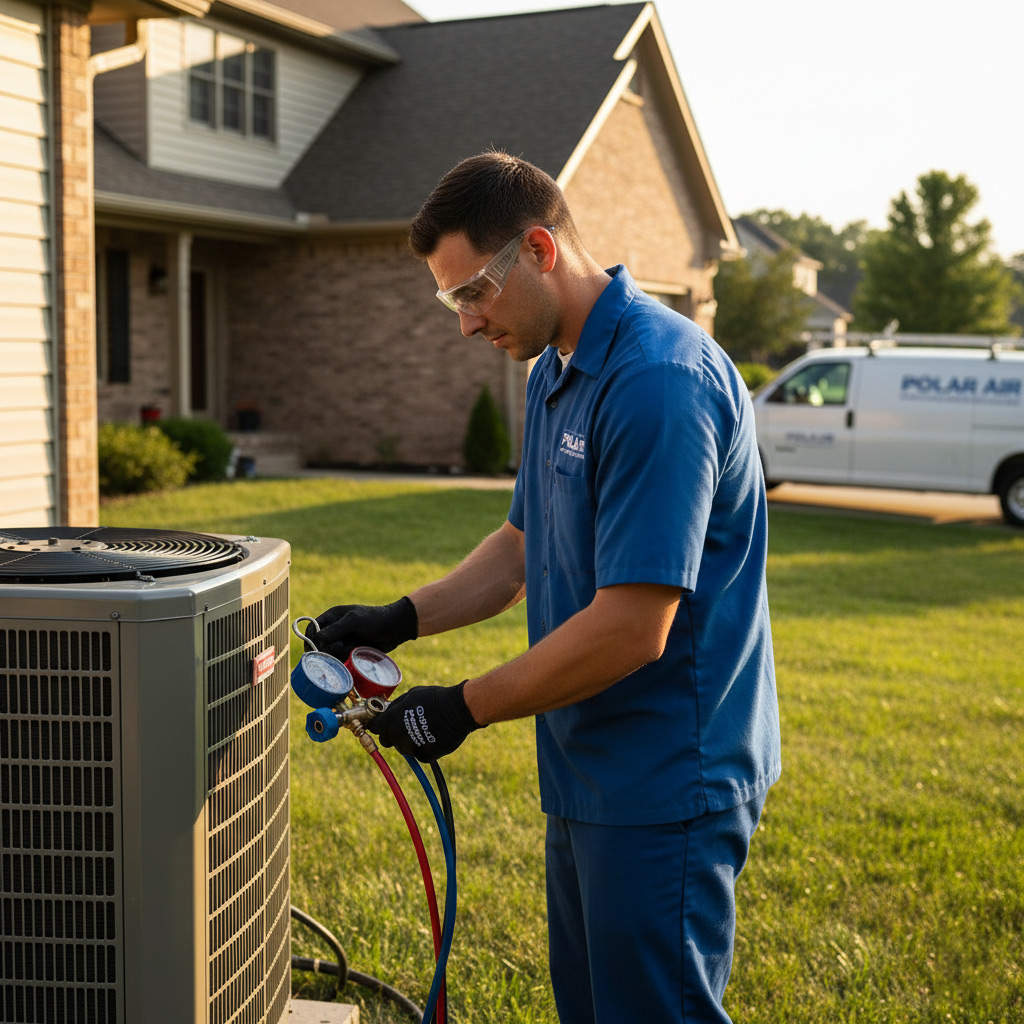
DIY Fixes That Do More Harm Than Good
Why the “quick‑fix” mindset backfires
Most Akron homeowners reach for a wrench the moment the furnace sputters, hoping a hand‑screw will bring back the heat. The problem is that a furnace isn’t a kitchen appliance; it’s a pressure‑tested system that demands precise tolerances. One misplaced screw or a forced seal can cause a cascade of failures that cost twice as much to repair.
Even a seemingly harmless tweak—like adjusting the thermostat wiring yourself—can short the control board, forcing you to replace an entire module. That’s a $600‑plus bill you could have avoided by calling a pro.
Typical DIY moves that end up costing more
- Removing the furnace’s safety cover to “clean the fan” and then forgetting to reinstall it.
- Using duct tape to seal a cracked heat exchanger instead of a proper metal patch.
- Mixing household cleaners with the furnace’s internal components, corroding sensitive sensors.
- Replacing a blower motor with a cheaper, mismatched model that spins too fast, burning out the capacitor.
What to do instead
When you hear that odd clank or notice uneven heat, pause. Turn off the system, note the symptom, and call a certified HVAC technician. A trained eye can diagnose the issue in minutes, saving you hours of guesswork and a mountain of extra parts.
Remember, the furnace is the heart of your home’s comfort. Treat it like a heart—don’t try to perform open‑heart surgery in your garage.
Skipping Routine Maintenance and Its Long‑Term Costs
Most Akron homeowners think a furnace can run forever without a check‑up. That’s a myth that burns a hole in your wallet. One missed filter change or ignored blower inspection can snowball into a cracked heat exchanger or a blown motor.
What you lose when you skip the check‑up
- Reduced efficiency – the system works harder, spiking your energy bill.
- Shortened lifespan – parts wear out faster, forcing premature replacement.
- Hidden safety hazards – carbon monoxide leaks or cracked ducts stay undetected.
When you finally call a pro, the repair bill often includes the “maintenance you ignored.” It’s cheaper to schedule a twice‑yearly tune‑up than to foot a six‑figure replacement. Think of it as buying insurance for your comfort.
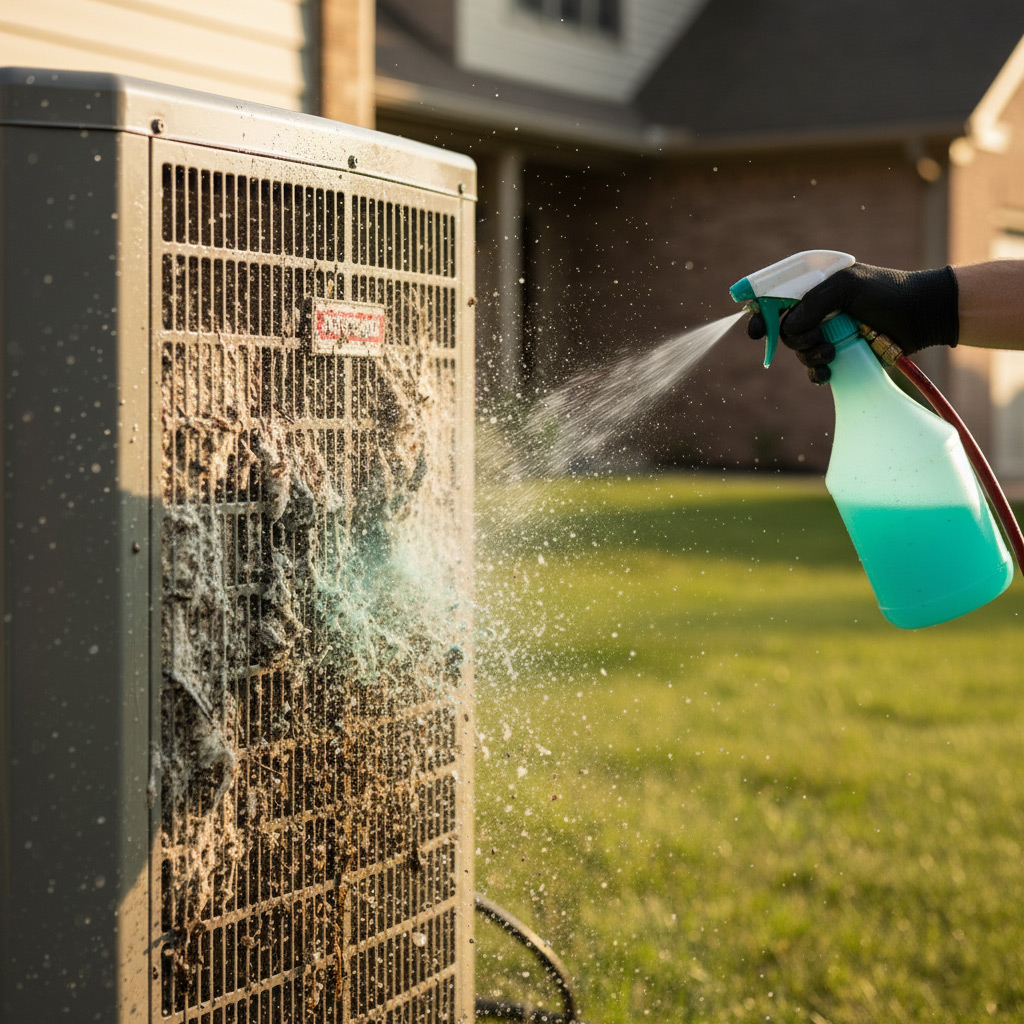
Installing Incompatible or Low‑Quality Replacement Parts
Why the cheap route bites you back
Grabbing a bargain part from a discount bin might feel like a win, but most of those pieces aren’t engineered for Akron’s harsh winters. A mismatched blower motor or a sub‑par heat exchanger can cause uneven heating, excess noise, and premature wear on the furnace’s core components.
When the part can’t handle the load, the system works harder, the utility bill spikes, and you’re staring at a repair bill that dwarfs the original “savings.” Cheap today, costly tomorrow.
Spotting the red flags before you buy
Before you click “add to cart,” ask yourself these quick checks:
- Manufacturer match: Does the part carry the same brand and model number as your furnace?
- Certification stamps: Look for UL, CSA, or AHRI labels that prove it meets safety standards.
- Material quality: Stainless steel or high‑grade aluminum beats flimsy plastic every time.
If any answer feels shaky, walk away. A reputable HVAC shop will source OEM‑approved components that fit like a glove.
What happens when you ignore the warning signs
Installing the wrong heat sensor can trigger false “high‑limit” shutdowns, leaving you in the cold mid‑night. A low‑grade pressure switch may leak air, reducing efficiency and raising the risk of carbon monoxide buildup.
In short, the wrong part turns a simple fix into a cascade of problems. Trust the pros to verify compatibility, and you’ll keep the heat humming without surprise breakdowns.
Neglecting Safety Checks: Carbon Monoxide and Fire Hazards
Carbon Monoxide: The Silent Killer
When your furnace runs, it produces carbon monoxide (CO) – an odorless, colorless gas that can knock you out in minutes. Skipping the CO detector test is a gamble you don’t want to take.
Simple habits keep you safe:
- Test the alarm monthly; press the “test” button.
- Replace batteries every six months – even if the light is green.
- Install a detector near every sleeping area, not just the basement.
If the detector chirps, don’t ignore it. Evacuate, call 911, and let a pro inspect the heat exchanger.
Fire Hazards: Heat’s Dark Side
A furnace that’s clogged with dust or has a cracked heat exchanger can spark a fire faster than you can say “winter”. Regular visual checks catch the problem before flames appear.
Key fire‑prevention steps:
- Clear at least three feet of space around the unit; no boxes, no laundry.
- Inspect the vent pipe for cracks or rust; replace any damaged sections.
- Look for soot buildup on the burners; a blackened surface means it’s time for a cleaning.
When you hear a popping sound or smell burning, shut the system off and call an HVAC expert. A quick call now saves a house later.
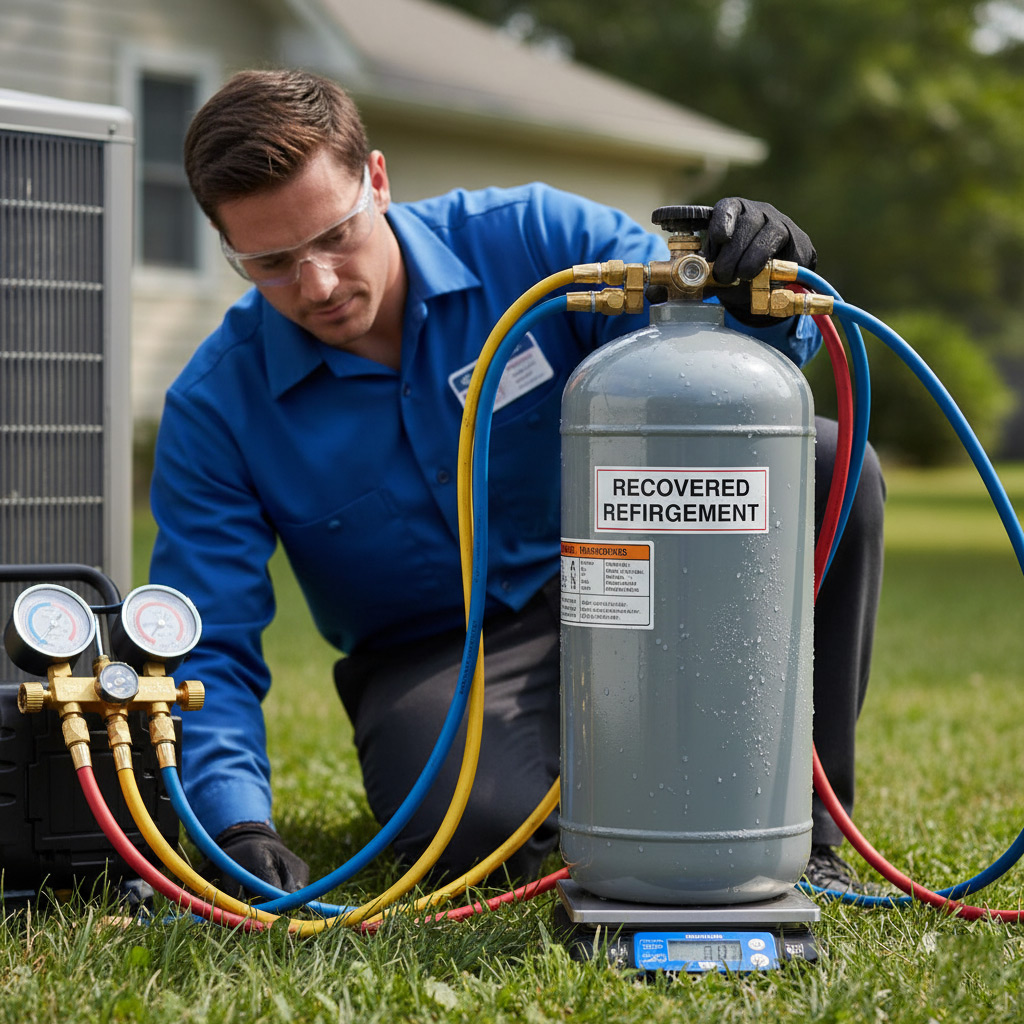
Delaying Professional Diagnosis: When to Call an HVAC Expert
When your furnace starts coughing, the temptation is to “wait it out” and hope the problem fixes itself. That gamble usually ends with a bigger bill and a colder house. Call a pro before the issue snowballs.
Red‑flag symptoms you can’t ignore
- Strange noises – rattling, squealing, or a high‑pitched whine.
- Heat that fluctuates from room to room.
- Frequent cycling – the furnace turns on and off every few minutes.
- Unexplained increase in your energy bill.
- Any smell of gas or burning.
Those clues are the furnace’s way of shouting “help me!” Ignoring them lets wear and tear compound, turning a $200 fix into a $2,000 replacement. A qualified technician can pinpoint the root cause in minutes, saving you time, money, and sleepless nights.
Case Study: Restoring a Frozen Akron Home – A Real‑World Repair Success
Last January, the Miller family called us after their furnace quit mid‑night, leaving their two‑story home at ‑5°F. The thermostat was stuck on “off,” and a thin layer of frost coated the vent grates. They’d tried a DIY reset, but the furnace stayed dead.
What the techs found
Our certified technician arrived, pulled the panel, and discovered three red flags:
- Clogged air filter that choked airflow and caused the heat exchanger to overheat.
- A faulty ignition control board that had been replaced with a low‑cost, incompatible unit.
- Evidence of a cracked heat‑exchanger, a serious safety risk.
Instead of swapping another cheap part, we recommended a full system audit. The plan was simple: replace the board with an OEM model, install a new high‑efficiency filter, and seal the cracked exchanger with a certified weld.
How we turned the freeze into heat
Within two hours, the furnace was humming again. The new board restored proper spark timing, and the fresh filter cleared the airflow. We ran a carbon‑monoxide test—zero ppm, safe and sound.
The Millers reported a cozy living room within 15 minutes of the repair. Their utility bill for the month dropped 12% thanks to the efficiency boost. Lesson learned: a professional diagnosis saves time, money, and peace of mind.
Final Words
Stay Ahead of the Freeze
When the mercury dips, the smartest move is to schedule a professional check‑up before the first snow. A quick call can lock in a service window, keeping your furnace humming while the rest of Akron shivers.
Don’t wait for a warning light or a strange smell. Proactive maintenance saves you from emergency calls that cost twice as much.
Know When to Pull the Plug
If you notice any of these red flags, treat them like a fire alarm:
- Flickering thermostat display
- Unusual noises – rattling, squealing, or banging
- Persistent cold spots in any room
Turn the system off and call a certified technician. Ignoring the signs only fuels bigger repairs later.
For more tips on keeping your heat reliable, explore our Heating System Repair resources. Your comfort is only a phone call away.
People Also Ask
What are the most common DIY heating repairs that can cause more damage?
Attempting to replace furnace belts, clean burners, or adjust gas valves without proper training can misalign components, create leaks, or void warranties. These mistakes often lead to higher repair costs and unsafe operation.How often should I schedule routine maintenance for my heating system in Akron?
A professional tune‑up at least once a year, preferably before the heating season, helps catch wear early and maintains efficiency. Skipping this service can reduce lifespan and increase energy bills.Why is using low‑quality replacement parts a bad idea?
Cheap parts may not meet manufacturer specifications, causing premature failure or reduced performance. Investing in OEM or certified components ensures reliability and protects your warranty.What safety hazards should I watch for with my furnace?
Carbon monoxide leaks and cracked heat exchangers are the biggest risks, as they can lead to poisoning or fire. Install a CO detector and have a qualified technician perform annual safety checks.When should I stop troubleshooting myself and call an HVAC professional?
If the furnace won’t ignite, produces strange noises, or shows error codes after basic checks, it’s time to call an expert. Professional diagnosis prevents further damage and ensures safe, efficient repairs.
Akron HVAC brings over 20 years of heating and cooling expertise to homes and businesses throughout Akron, Ohio. Their team of certified technicians delivers reliable service and tailored solutions that keep the community comfortable year‑round. Committed to local service, they prioritize prompt response and transparent communication for every project.
Need HVAC?
We deliver prompt heating and cooling repairs and installations that keep homes comfortable and energy‑efficient across Akron and nearby ZIPs (44301, 44302, 44304, 44306, 44308).
Get HVAC Estimate