Imagine stepping into your Akron home and feeling the perfect breeze hit you the second you close the front door—no sweat, no shivers, just pure comfort.
That kind of control doesn’t happen by accident. It’s the result of a smart HVAC layout that reads the local climate, your family’s habits, and the quirks of your house like a seasoned pro.
Stick around and we’ll pull back the curtain on the exact pieces of tech, the design tricks that keep your bills low, and the costly missteps most homeowners never see coming.
Understanding Akron’s Climate and Its Impact on HVAC Design
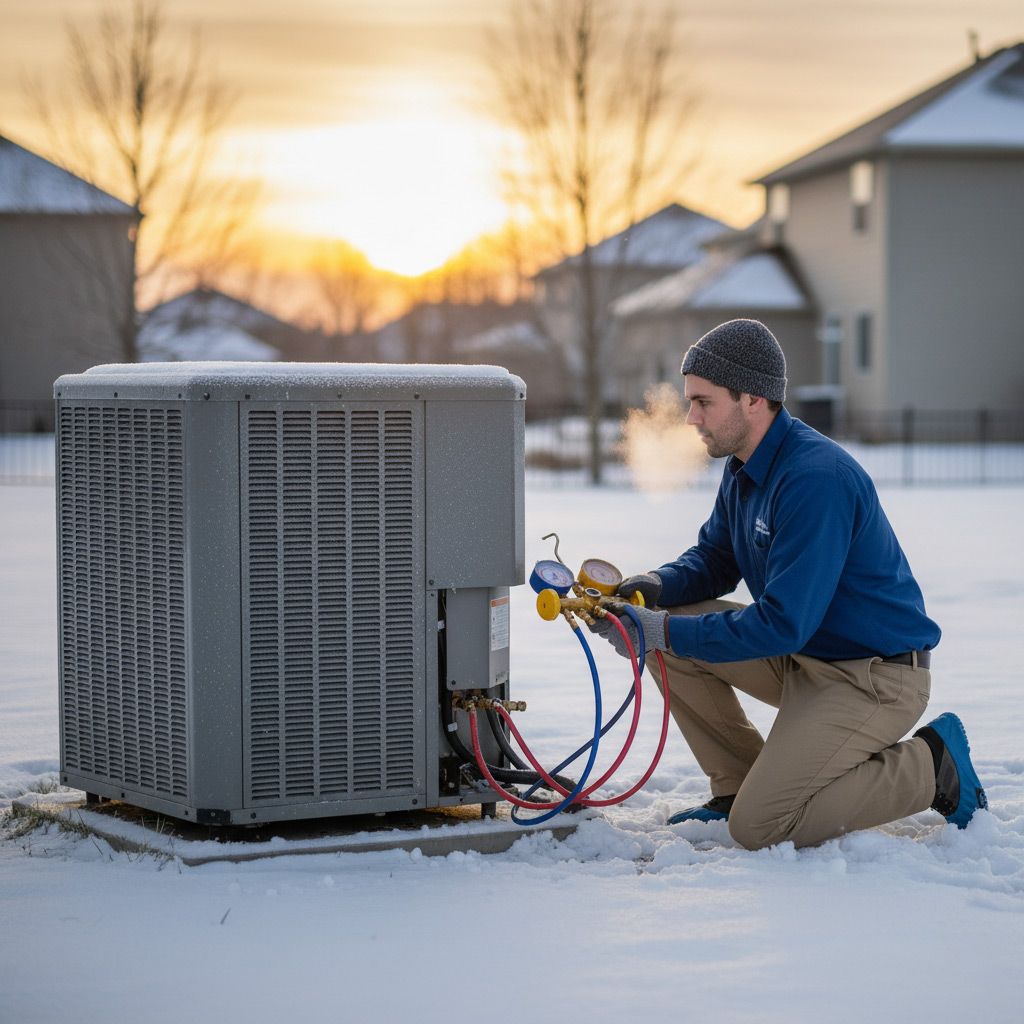
Akron lives in a climate that flips the switch between icy winters and sweltering summers faster than a traffic light. Temperatures can plunge below 20°F in January, then climb past 85°F by July, with humidity levels that love to cling to your skin. That swing means a one‑size‑fits‑all system will leave you shivering one night and sweating the next.
Key Climate Factors to Consider
When you map out a smart HVAC layout, start with the data that matters most:
- Winter heating load: Snow‑packed roofs and older brick walls demand a furnace that can push heat deep into every corner.
- Summer cooling demand: High humidity calls for a unit that not only cools but also de‑humidifies efficiently.
- Seasonal temperature swings: Variable‑speed compressors keep the indoor climate steady without the “on/off” shock.
Designers who ignore these points end up with oversized units that waste power or undersized gear that can’t keep up on a hot July afternoon. The sweet spot is a system that reads the weather, then adjusts its output like a seasoned pro.
Mapping Your Home: Zoning, Ductwork, and Airflow Optimization
Why Zoning Matters
Think of your house as a collection of micro‑climates. Each zone gets its own temperature recipe, so the kids’ bedroom stays cozy while the garage stays cool.
Separate zones let you pay only for the space you’re actually using. That means lower bills and fewer complaints.
- Living room & kitchen – high‑traffic, demand quick response.
- Bedrooms – set for night‑time comfort.
- Basement or attic – often needs a dedicated fan.
Ductwork That Delivers
Good ductwork is the silent hero of any smart HVAC system. Too many bends or undersized pipes turn your system into a weak‑link.
Seal every joint, insulate the runs, and keep the layout as straight as possible.
- Use metal flex ducts for tight turns.
- Wrap ducts in foil‑backed insulation to stop heat loss.
- Install access panels for future cleaning.
Fine‑Tuning Airflow
Even the smartest thermostat can’t fix a drafty register. Balance the flow with adjustable dampers and make sure each room gets the right amount of air.
Check static pressure with a handheld gauge; if it spikes, you’ve got a blockage.
- Close vents in unused rooms to boost pressure where it’s needed.
- Use high‑efficiency filters to keep the system breathing easy.
- Schedule a professional airflow audit every 2‑3 years.

Choosing the Right Smart HVAC Components: Thermostats, Sensors, and Controls
Thermostats that actually learn
Forget the old dial‑in‑the‑wall. A Wi‑Fi thermostat watches when you’re home, when you’re out, and even how the sun hits your windows. It then tweaks heating and cooling on the fly, so you never feel a draft or a hot spot.
Look for these must‑haves:
- Geofencing – knows when the family car is in the driveway.
- Voice integration – works with Alexa, Google Assistant, or Siri.
- Remote access – adjust the temperature from your phone while you’re at the mall.
Sensors that whisper the right data
Smart sensors are the eyes and ears of a modern HVAC system. They sit in each zone, measuring temperature, humidity, and even occupancy, then feed that intel back to the controller.
Key sensor types to consider:
- Temperature probes – keep each room at its sweet spot.
- Humidity monitors – prevent mold in Akron’s damp months.
- Motion detectors – shut off airflow where nobody’s hanging out.
Controls that keep everything in sync
The brain of the operation is a central control panel or a cloud‑based hub. It takes the thermostat’s schedule, the sensor readings, and the homeowner’s preferences, then decides which fan runs, which coil fires, and when.
When shopping, ask for:
- Multi‑zone capability – each floor gets its own climate plan.
- Open API – lets you tie the system into existing home automation.
- Fail‑safe alerts – a text or email if a coil overheats or a filter needs changing.
Energy Efficiency Strategies: Variable‑Speed Motors, Heat Recovery, and Insulation
Variable‑Speed Motors
Variable‑speed blowers dial power up or down in real time, so you never waste energy running at full blast. Result? Quiet operation, smoother temps, and a 30%‑40% drop in electricity use.
- Quiet as a whisper.
- Longer equipment life.
- Precise temperature control.
Heat Recovery
Heat‑recovery ventilators steal warmth from stale exhaust air and hand it to fresh incoming air, keeping the furnace from over‑working during Akron’s frosty months. You’ll see a 20%‑25% cut in heating load and cleaner indoor air.
- Reduces heating demand.
- Improves air quality.
- Lowers humidity.
Insulation & Sealing
Even the smartest system sputters if the house leaks. Adding blown‑in cellulose in the attic and sealing gaps around windows locks the temperature in, delivering a double‑digit slash in energy use.
- Every extra inch cuts heating need ~5%.
- Air‑tight doors stop drafts.
- Better comfort, lower bills.
Integrating Home Automation and Remote Monitoring for Seamless Comfort
When your HVAC talks to your lights, locks, and coffee maker, comfort stops being a guess. It becomes a conversation you control from the couch or the office.
What the tech stack looks like
Think of three building blocks that make the magic happen:
- Smart hub or controller – the brain that links thermostats, sensors, and your Wi‑Fi.
- Voice assistants (Alexa, Google Home) – let you tell the house what you need, no app required.
- Mobile or web dashboard – real‑time data, alerts, and one‑tap overrides.
Each piece talks in its own language, but the hub translates. The result? Your system knows when a window is open, when the kids are home, and when the furnace can take a breather.
Getting started without a headache
Start small. Install a Wi‑Fi thermostat, pair it with your favorite voice assistant, and set up push notifications for extreme temps. Watch the data for a week, then add a humidity sensor in the basement. Finally, expand to zone controllers if you have multiple HVAC zones.
Remote monitoring isn’t just about convenience; it’s a safety net. If a filter clogs or a motor sputters, you’ll get an alert before the bill spikes. You can schedule maintenance from your phone, and the system will automatically adjust to keep the house comfortable while the tech is offline.
Case Study: Transforming a Historic Akron Home with a Smart HVAC System
The Challenge
Built in 1924, the Tudor‑style home on East Market Street suffered from drafty rooms, uneven heating, and a clunky furnace that gulped electricity. The original ductwork was a maze of metal and plaster, and the owners wanted modern comfort without tearing down the character‑defining woodwork.
The Smart Solution
We started with a full load calculation, then rewired the whole system around three key upgrades:
- Variable‑speed air handler that modulates airflow to match each zone’s demand.
- Wireless, AI‑driven thermostat that learns the family’s schedule and adjusts on the fly.
- Strategically placed temperature and humidity sensors in the attic, basement, and master suite for real‑time feedback.
All components speak the same protocol, so the homeowner can tweak settings from a phone app or let the system run itself.
The Payoff
Within two months the utility bill dropped 28%, and every room stayed within a two‑degree band of the setpoint. The owners reported “no more cold spots” and praised how the system respects the home’s historic vibe while delivering 21st‑century comfort.
Final Words
Before you walk away, remember that a smart HVAC system isn’t a set‑and‑forget gadget—it’s a living part of your home that reacts to every season Akron throws at you. Keep an eye on firmware updates, and let your thermostat learn the rhythm of your family’s daily flow.
Quick Checklist
- Schedule regular sensor calibrations to avoid drift.
- Review energy reports monthly; a spike often means a clogged filter or a mis‑aligned damper.
- Sync your system with the HVAC System Design portal for the latest best‑practice guides.
When you treat your HVAC like a trusted teammate, you’ll notice the difference the moment you step through the front door—steady comfort, lower bills, and peace of mind that lasts all year long.
People Also Ask
How does Akron’s climate influence smart HVAC system design?
Akron experiences hot summers and cold, snowy winters, requiring a system that can efficiently handle both heating and cooling loads. Smart HVAC designs incorporate variable‑speed compressors and adaptive controls to maintain comfort while minimizing energy waste throughout the year.What is zoning, and why is it important for Akron homes?
Zoning divides a house into separate areas with independent temperature controls, allowing each zone to receive the exact amount of heating or cooling it needs. This improves comfort, reduces energy consumption, and prevents short‑cycling of the system in a climate with fluctuating indoor demands.Which smart thermostat features are most beneficial for Akron residents?
Look for thermostats with geofencing, weather‑responsive scheduling, and humidity monitoring. These features automatically adjust settings based on outdoor conditions and occupancy patterns, keeping the home comfortable during Akron’s temperature swings.Can a smart HVAC system lower my energy bills in Akron?
Yes. By using variable‑speed motors, heat recovery ventilation, and precise sensor data, smart systems optimize airflow and temperature, reducing unnecessary run time and cutting utility costs.How does home automation integrate with a smart HVAC system?
Home automation platforms connect thermostats, sensors, and vents to a central hub, enabling remote monitoring, voice control, and automated routines. This seamless integration lets you adjust comfort settings from anywhere, ensuring consistent performance year‑round.
Akron HVAC brings over 20 years of heating and cooling expertise to homes and businesses throughout Akron, Ohio. Their team of certified technicians delivers reliable service and tailored solutions that keep the community comfortable year‑round. Committed to local service, they understand the unique climate challenges of the Akron area.
Need HVAC?
We deliver prompt heating and cooling repairs and installations that keep homes comfortable and energy‑efficient across Akron and nearby ZIPs (44301, 44302, 44304, 44306, 44308).
Get HVAC Estimate